

GEIS and Konecta Foundation: Advancing equity in sarcoma research and care
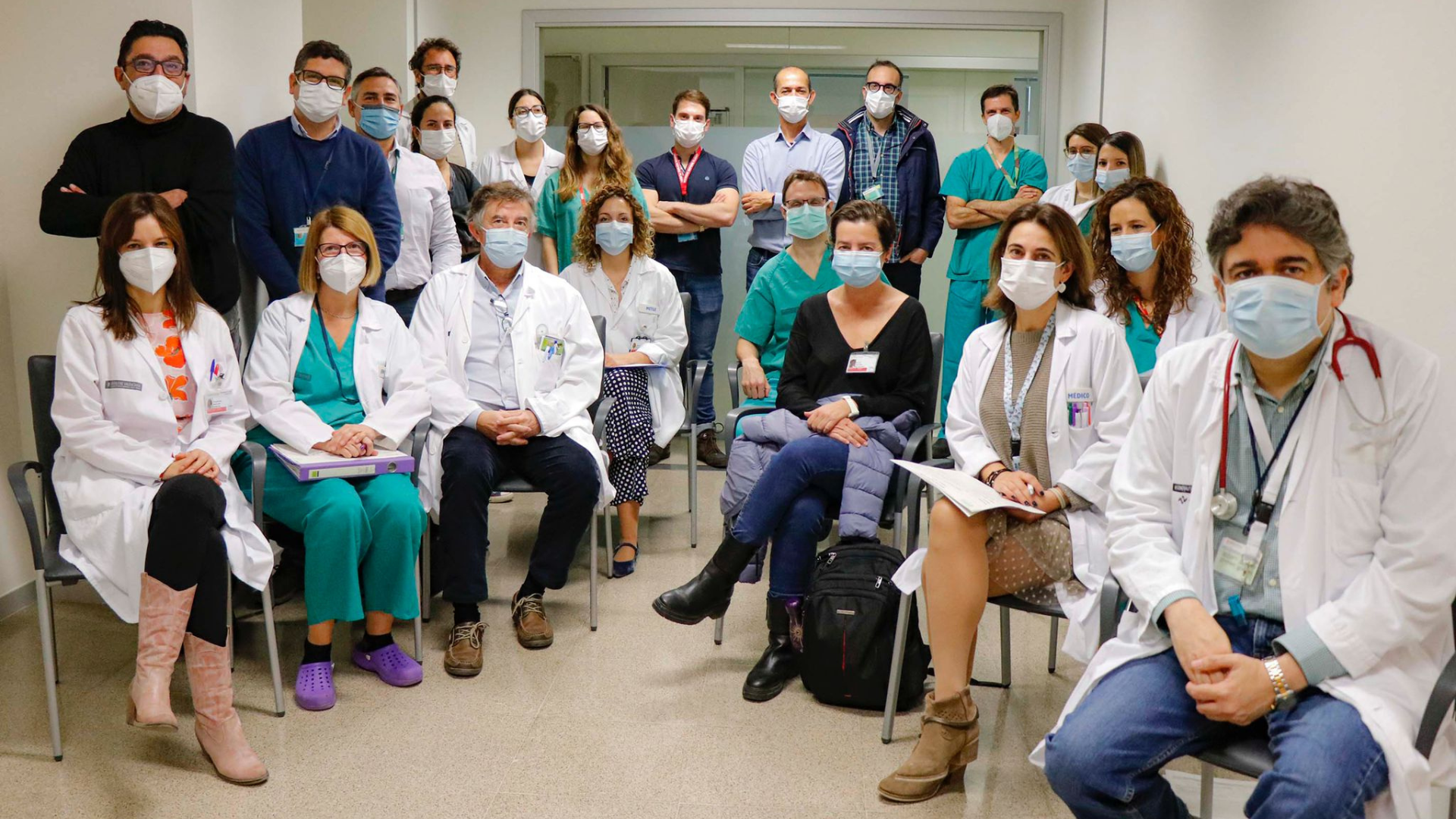
Sarcomas are among the rarest and most complex forms of cancer, often facing limited research funding and unequal access to innovative treatments. Addressing these challenges requires collaboration between medical excellence and social commitment.
One of the leading forces behind this transformation in Spain is GEIS – the Spanish Group for Research on Sarcomas, led by medical oncologist Dr. Bianca Lowak, whose work has helped bring visibility, structure, and hope to patients affected by these rare diseases.
Through this partnership, Konecta Foundation actively supports GEIS in removing economic and social barriers that prevent patients from accessing academic clinical trials.
The origins of GEIS: Addressing an unmet medical need
GEIS was founded in 1994 following an informal meeting of medical oncologists after a congress of the Spanish Society of Medical Oncology. At the time, sarcomas, despite their clinical complexity, had no dedicated research or care structure in Spain.
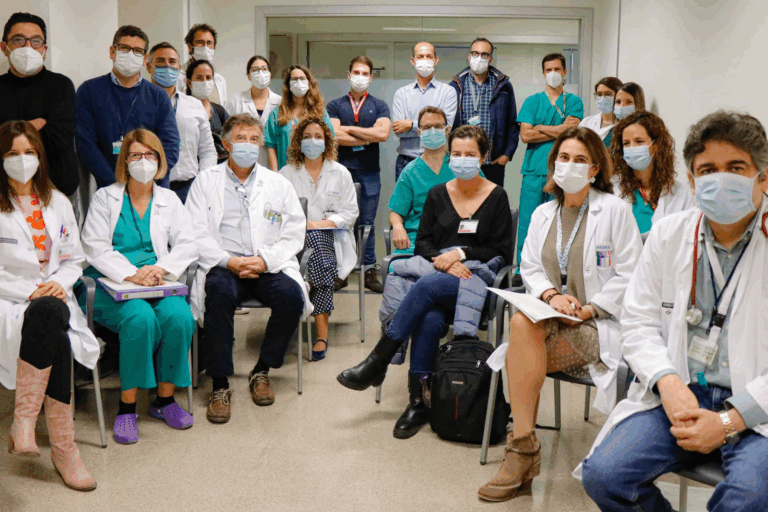
Recognizing this critical gap, the group organized itself to improve diagnostic pathways, standardize treatment approaches, and promote research in a field historically underrepresented in oncology. Today, GEIS is a national and international reference network composed of more than 100 specialists, fully dedicated to sarcoma research and patient care.
Mission and values: Research, multidisciplinary care, and collaboration
The mission of GEIS is to provide the best possible care for patients with sarcoma. This objective is achieved through:
- Academic and translational research
- Access to innovative therapies
- Multidisciplinary healthcare models
- National and international collaboration
Sarcomas include over 100 different subtypes, making them difficult to study at scale. Their rarity poses significant challenges for funding and pharmaceutical investment, which is why cooperative academic research remains essential to advance treatment options.
For many patients, clinical trials represent the only opportunity to access innovative treatments. However, academic clinical trials often do not cover essential costs such as travel, accommodation, and logistics.
These financial barriers can prevent participation, creating inequalities in access to care, particularly for patients with limited economic resources.
Konecta Foundation’s Community Impact Call: Removing barriers to care
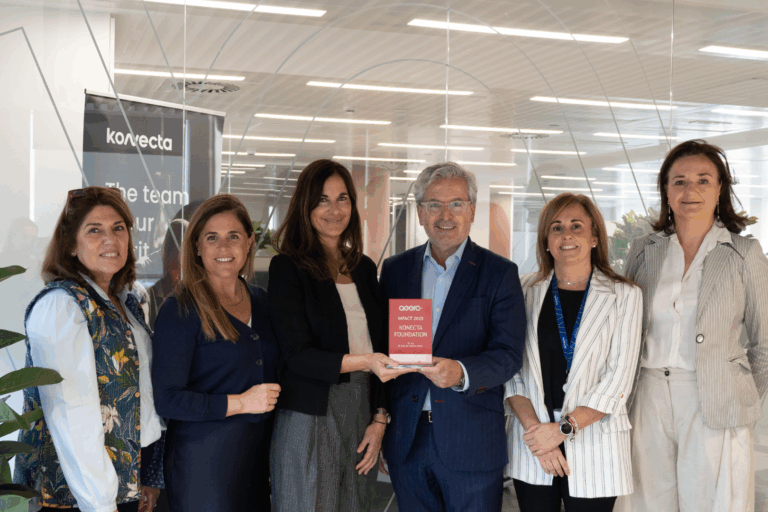
Through its 2024 edition of the Community Impact Call project, Konecta Foundation selected GEIS as one of its winning initiatives, acknowledging its strong social impact and patient-centered approach.
Thanks to the Konecta Foundation:
- Financial barriers to trial participation are reduced
- Travel and accommodation expenses can be covered
- Patients are evaluated individually to ensure equitable access
To date, two patients have already accessed academic clinical trials through this support, with one patient continuing treatment with positive clinical outcomes.
This initiative is developed in collaboration with patient associations and social services, ensuring transparency, fairness, and real impact.
Raising awareness and creating long-term impact
Beyond clinical outcomes, GEIS has played a crucial role in increasing awareness of sarcomas within the medical community and at institutional level. Its work has contributed to:
- The recognition of specialized sarcoma reference centers
- Improved referral and diagnostic pathways
- Stronger collaboration across national and international research networks
As emphasized by Dr. Bianca Lowak, Medical Oncologist and President of GEIS, initiatives such as the Konecta Foundation funds not only support individual patients but also help ensure that rare cancers receive the visibility and resources they deserve.
The collaboration between GEIS and Konecta Foundation reflects a shared vision: healthcare innovation must be inclusive and accessible. By supporting GEIS as a winner of the Konecta Foundation Community Impact Call 2024, the Foundation reinforces its commitment to social impact, rare disease research, and equitable access to care,transforming research into meaningful change for patients and communities.