

From training to employment: using AI to expand opportunities for women in Peru
How Kantaya, one of the organisations selected through the latest Community Impact Call, is combining training, personalised support and accessible technology to help women move towards formal employment.
Kantaya’s Community Impact Call project helps women trained as early childhood education assistants move into formal employment. It combines certification, personalised employability support and PIA, an AI-powered virtual assistant available through WhatsApp.
The project aims to support 500 graduates across different regions of Peru. By helping women prepare CVs, find reliable vacancies and navigate recruitment processes, the model addresses a frequent limitation of training programmes: completing a course does not necessarily lead to employment.
If the project reaches its target and participants access employment opportunities, Kantaya estimates that approximately 10,000 children could indirectly benefit from the work of better-prepared early childhood education assistants.
Project at a glance
| Organisation | Kantaya |
| Programme | Podera |
| Location | Peru |
| Focus | Women’s employability and economic autonomy |
| Participants | Women trained as early childhood education assistants |
| Solution | Training, personalised support and AI guidance through WhatsApp |
| Project target | 500 graduates |
| Potential indirect reach | Approximately 10,000 children |
| Supported through | Konecta Foundation’s Community Impact Call |
Kantaya has worked in Peru for more than 20 years to expand educational opportunities for children in vulnerable circumstances. Through that experience, the organisation identified the importance of also strengthening the people who support children during the earliest stages of their development.
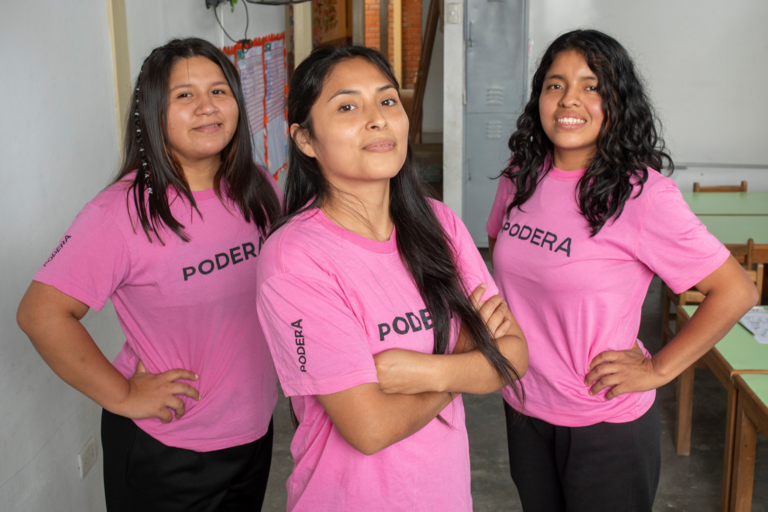
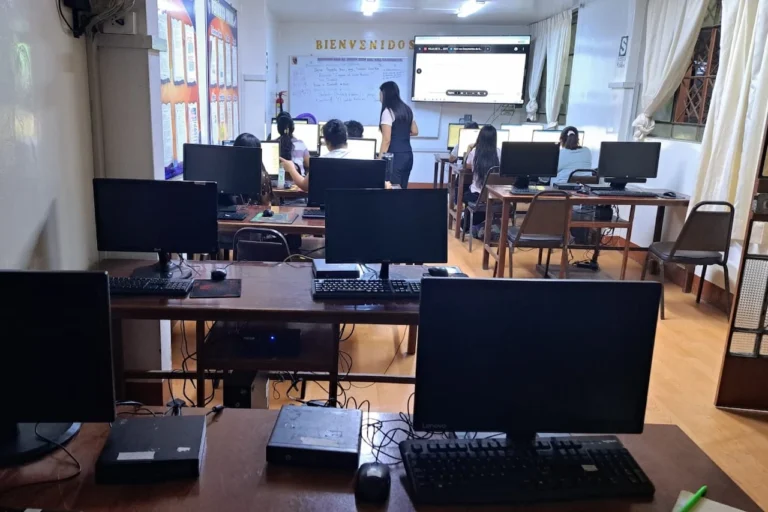
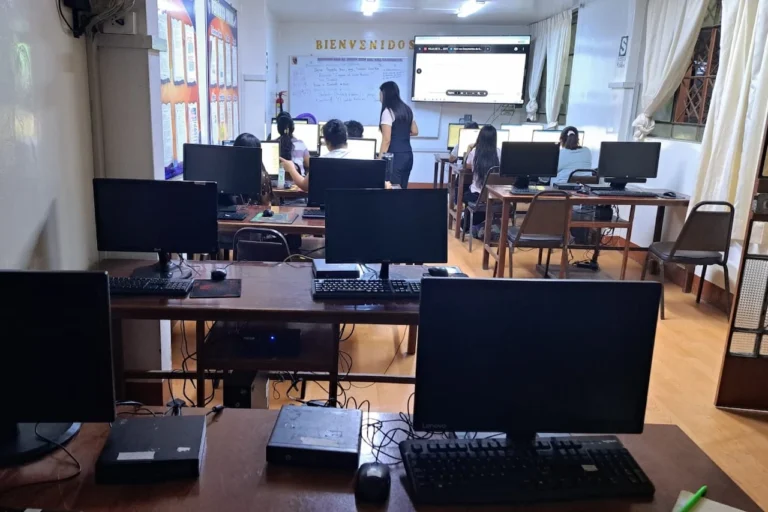
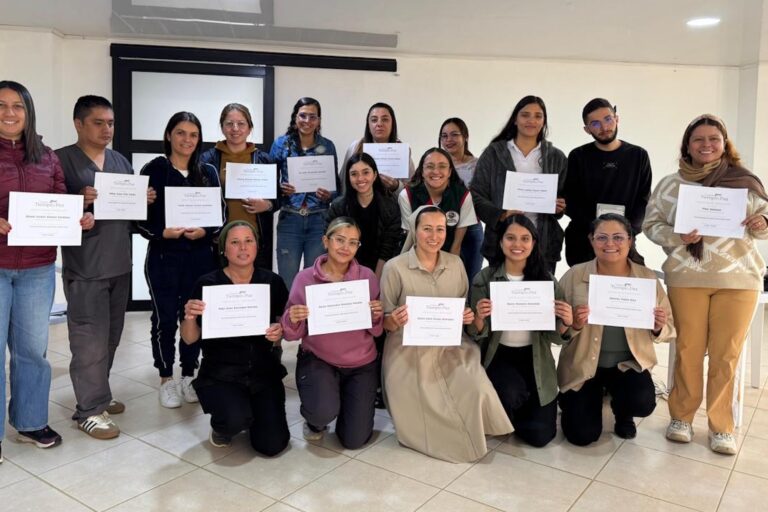
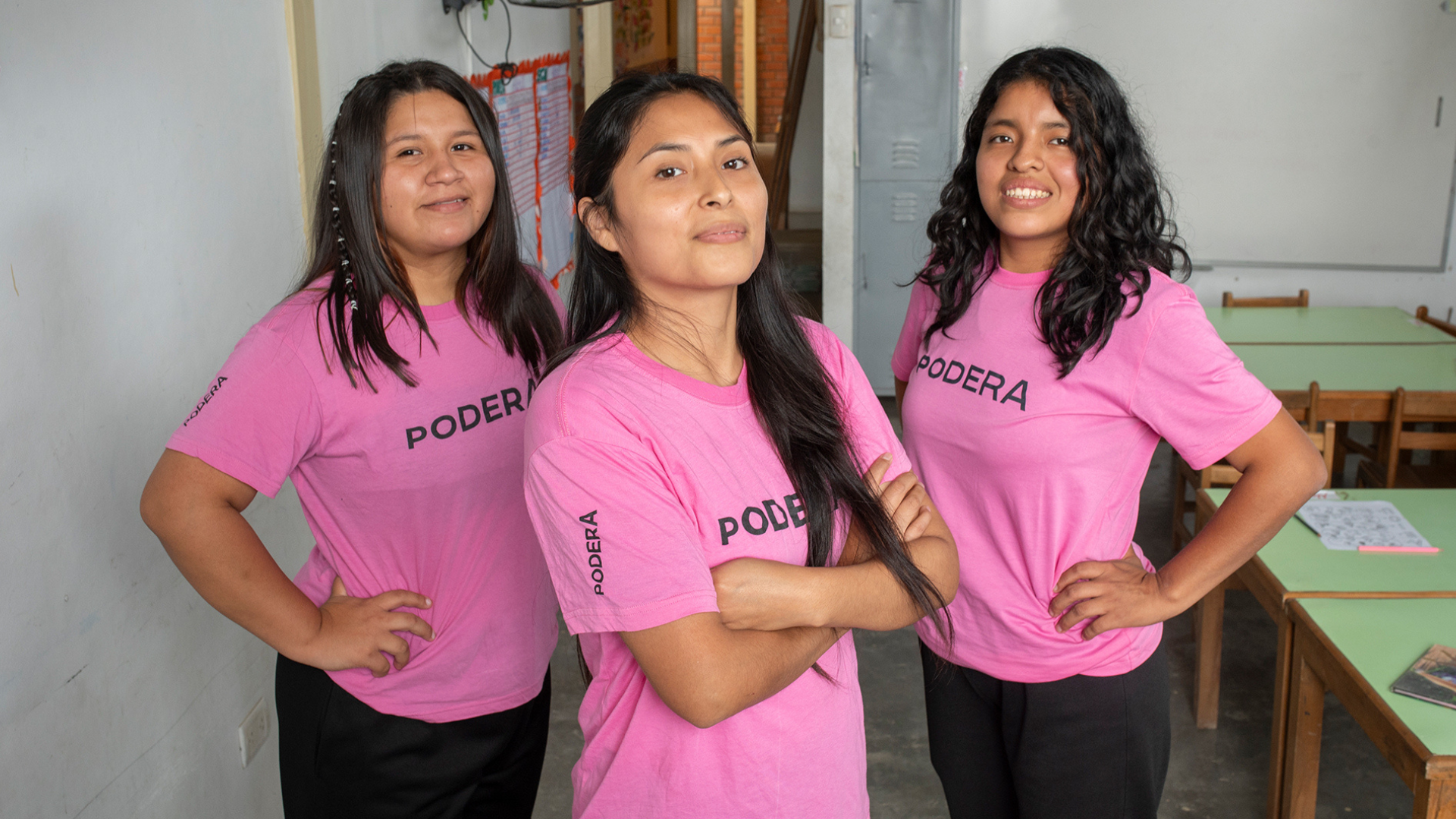
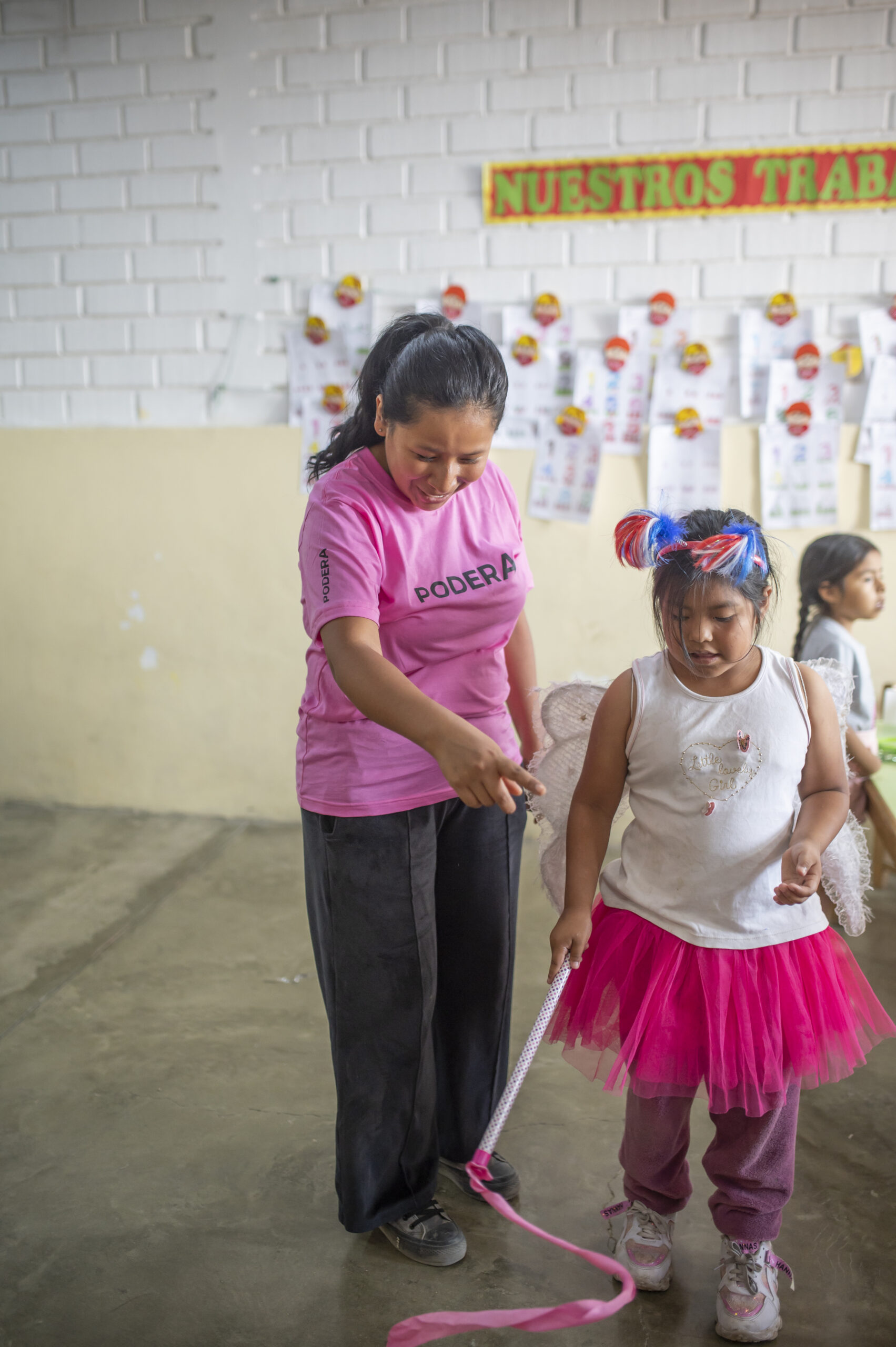
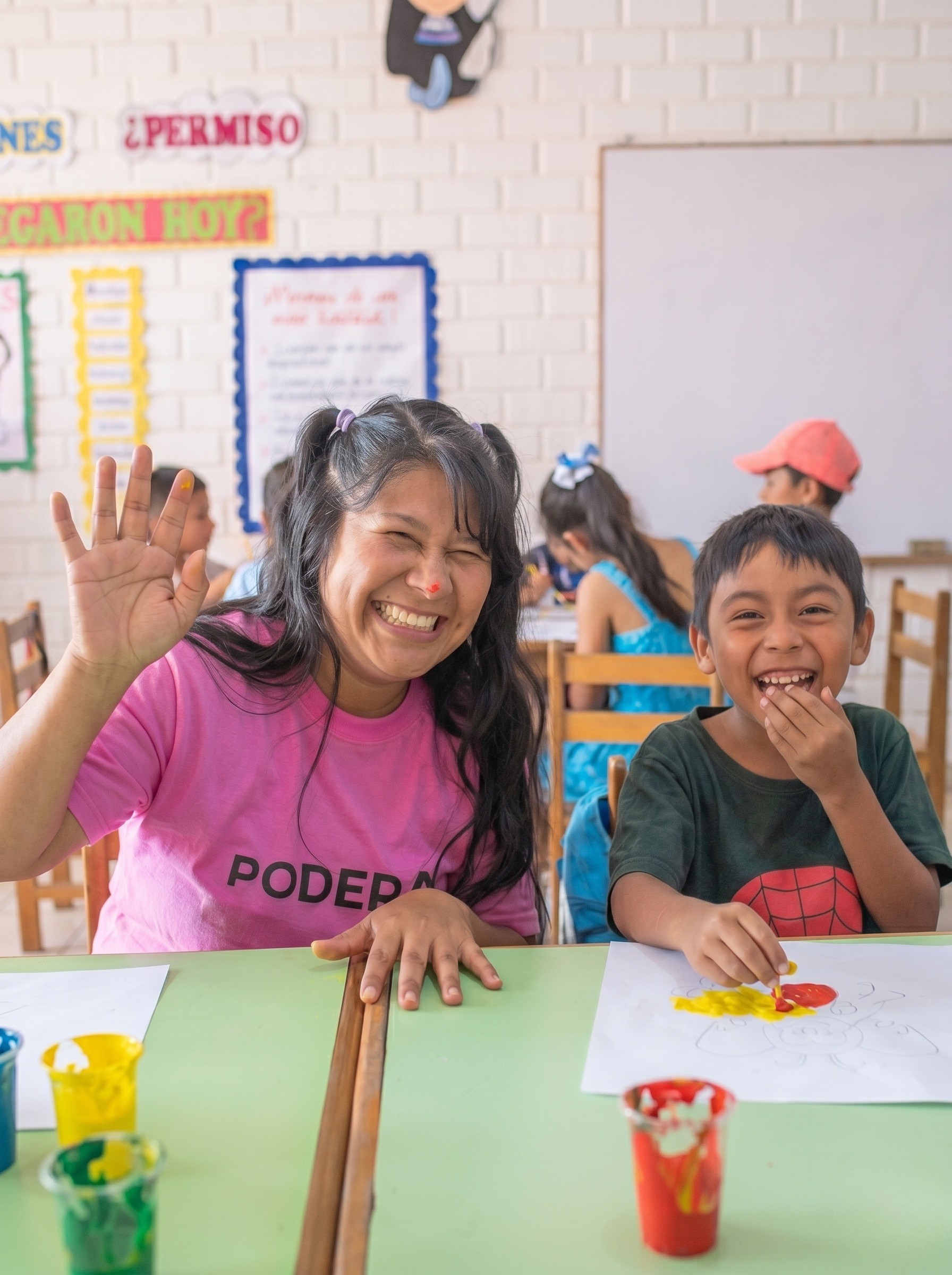
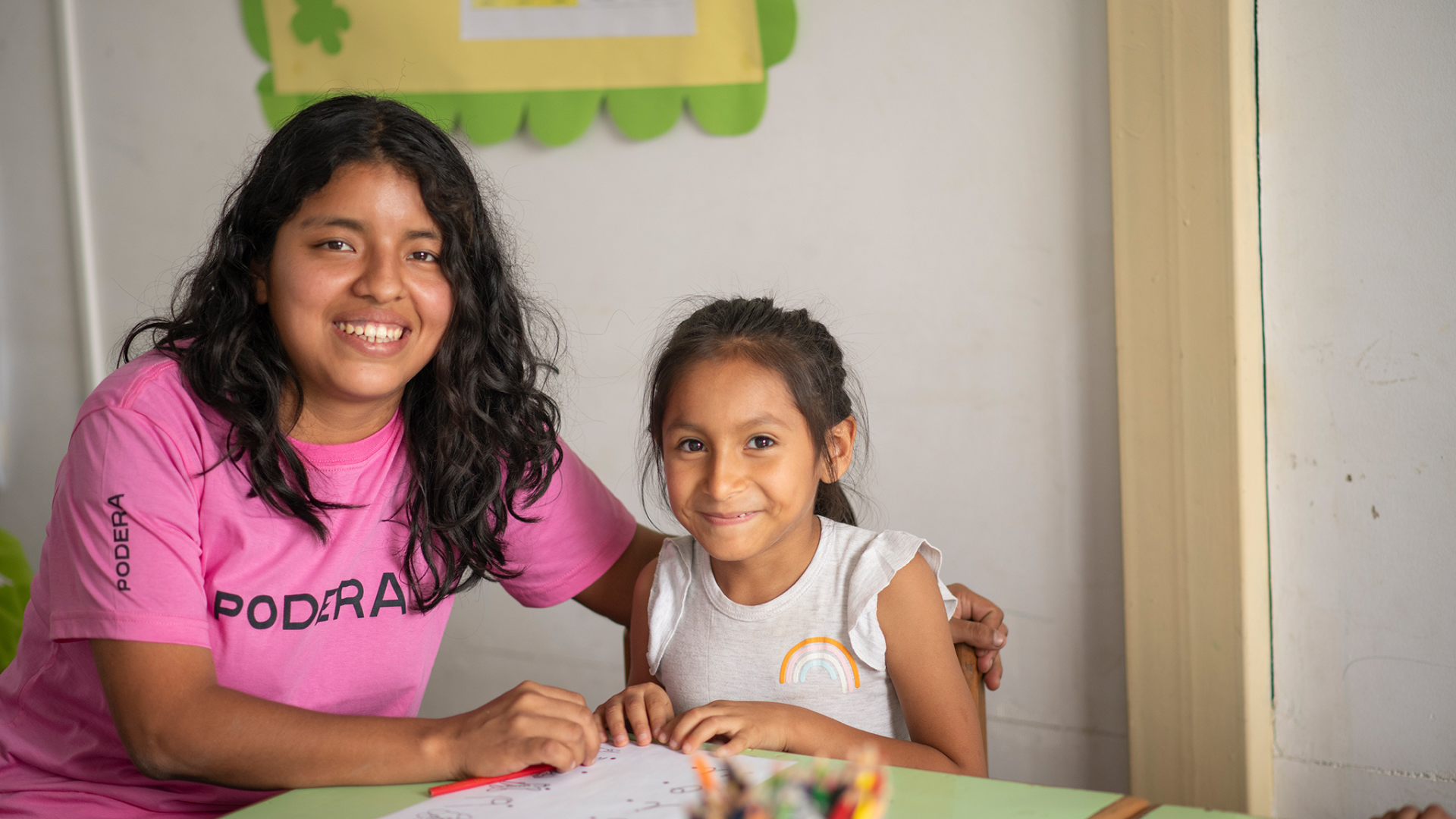
This led to the creation of Podera, a programme that trains and certifies women experiencing vulnerable circumstances as early childhood education assistants. More than 1,500 women from different regions of Peru have completed the programme.
The next challenge is to help more of those graduates convert their qualifications, previous experience and capabilities into formal employment.

Why training does not always lead to employment for women
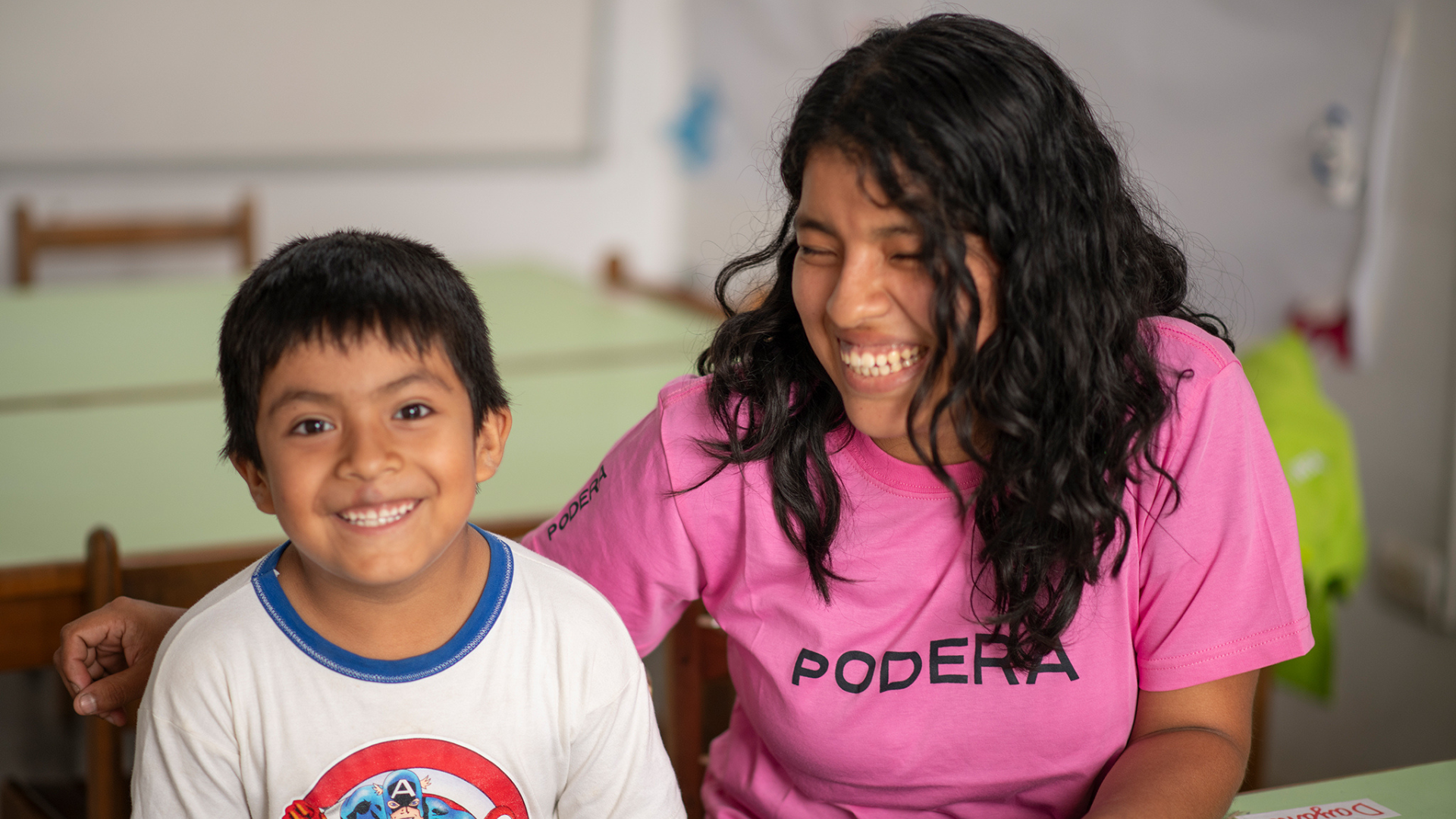
Many Podera graduates already had experience caring for children or supporting educational activities in their communities. However, they did not necessarily recognise that experience as a professional asset or know how to communicate its value to an employer.
After completing their training, graduates frequently encountered a new set of questions. How should they present their experience on a CV? Where could they find reliable vacancies? How should they prepare for an interview? What should they do when an application was unsuccessful?
These questions revealed a limitation that is relevant to many employability programmes: support often ends precisely when participants must begin navigating the labour market independently.
Technical training can prepare someone to perform a role, but accessing employment also requires confidence, job-search skills, information and the ability to respond to opportunities when they arise. For people entering formal employment for the first time, these elements can be as decisive as the qualification itself.
Kantaya’s model therefore combines training and certification with employability support designed to accompany graduates through the transition into work. The objective is not only to help participants secure their first position, but also to develop the autonomy needed to build a sustainable professional pathway.
How Kantaya uses AI to support women during their job search
The organisation’s early employability pilots produced an important insight: participants’ questions did not arise only during scheduled workshops. They appeared later, often at specific moments in the job search – when a graduate found a vacancy, needed to adapt her CV or received an invitation to an interview.
Providing individual support at each of these moments is difficult to scale, particularly in a country where participants may live far from major urban centres. Kantaya therefore developed PIA, or Podera Inteligencia Artificial, an AI-powered virtual assistant available through WhatsApp.
PIA provides personalised guidance during the employment process, enabling graduates to access support through a tool they can use from their mobile phones. A participant in Ayacucho, Loreto or Puno can receive guidance without having to travel to Lima or wait for the next scheduled training session.
The aim is not to replace human support, but to extend it. Workshops and personalised guidance provide the broader learning and relationships participants need, while the virtual assistant can respond when practical questions arise between those interactions.
This combination of human support and accessible technology offers a useful model for organisations seeking to reach geographically dispersed participants without reducing employability services to a series of standardised online materials.
Designing inclusive technology around real employement barriers
PIA illustrates a broader principle for organisations and companies developing technology for social impact: the starting point should be the barrier, not the technology.
In this case, the challenge was not simply a lack of information. Graduates needed relevant guidance at unpredictable moments, adapted to the stage they had reached in their job search and accessible through a channel already familiar to them.
WhatsApp therefore plays an important role in the model. Rather than asking users to adopt a new platform or access a service available primarily in large cities, the programme brings support into an existing communication channel.
Artificial intelligence makes it possible to offer more responsive and personalised guidance to a larger number of participants. Its value, however, will depend on whether it helps graduates complete practical actions: present their experience effectively, identify suitable opportunities, prepare for selection processes and continue progressing towards employment.
The project reflects an approach to inclusive innovation in which success is not measured by the sophistication of the technology alone, but by its ability to remove barriers and extend access to opportunities.
Scaling employability support across Peru
The Community Impact Call will help Kantaya strengthen its Employability Programme, expand the content available through PIA and improve the support graduates receive throughout their job search.
The project has a target of reaching 500 graduates. Its purpose is also to generate evidence about how the model works: which types of guidance participants use most, which strategies help them progress and where additional human intervention remains necessary.
This learning can be used to improve both the content and the delivery model. It can also help Kantaya understand how personalised support can be maintained as the programme reaches women with different starting points and living in different regions of Peru.
Scaling in this context does not simply mean increasing the number of users. It means expanding access while preserving relevance, listening continuously to participants and adapting the service in response to their experience.
That distinction is important for other organisations considering technology-enabled growth. A solution can reach more people without necessarily generating better outcomes. Sustainable scale requires a mechanism for learning what works, identifying where users disengage and refining the balance between digital and human support.
How women’s employment can strengthen education and communities
The project’s immediate outcome is greater access to formal employment for women trained as early childhood education assistants. Its potential impact, however, extends to families, educational institutions and local communities.
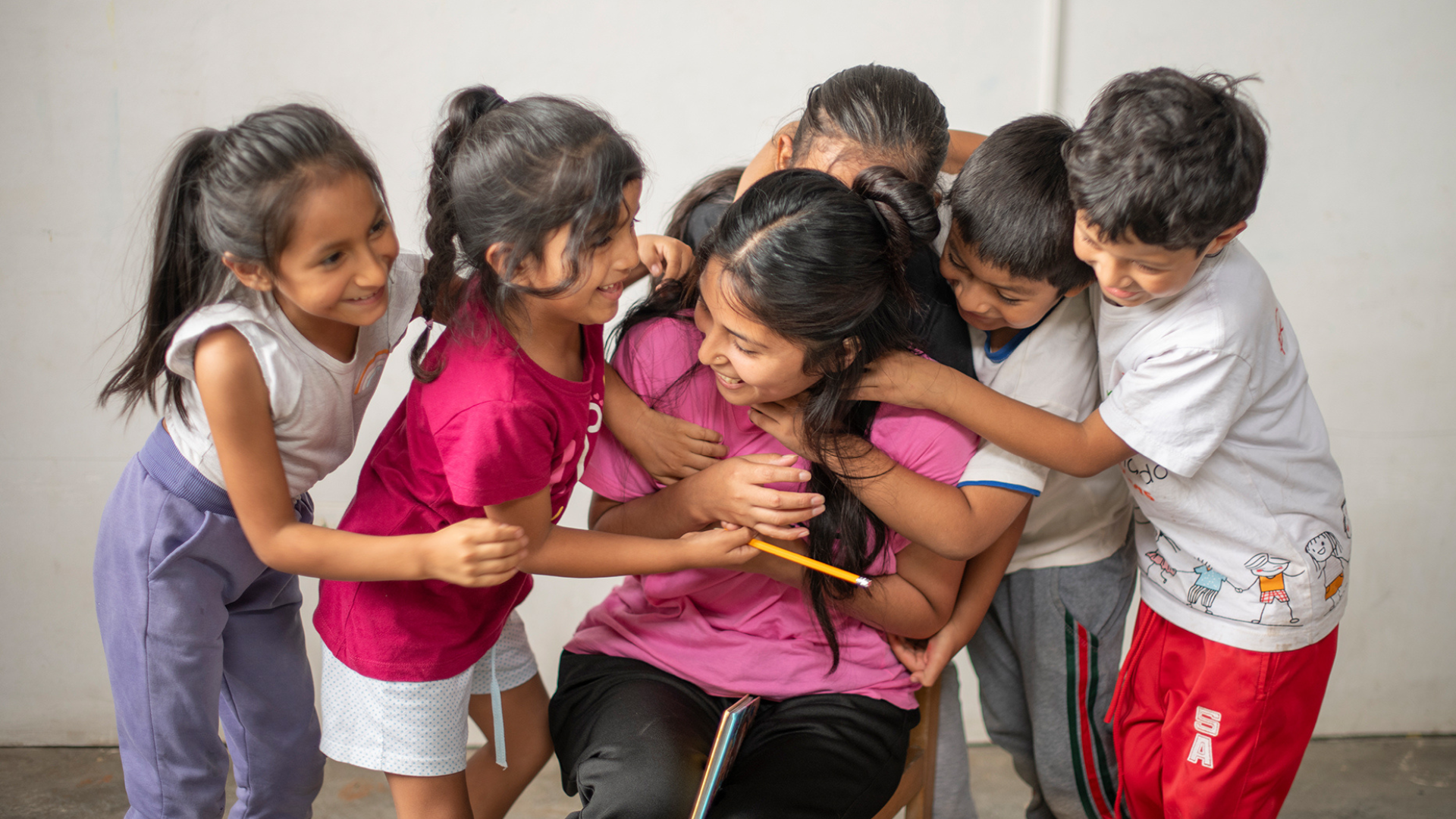
Kantaya estimates that an early childhood education assistant supports an average of around 20 children. If the project reaches its target of 500 graduates and helps them access employment opportunities, approximately 10,000 children could indirectly benefit from better-prepared support during an important stage of their development.
The intended chain of impact connects several outcomes: a woman gains access to formal employment and greater economic autonomy; her family benefits from increased stability; an educational institution gains trained personnel; and children receive better support in the classroom.
This multiplier effect also matters to companies assessing potential social partnerships. An employability initiative may respond to several connected needs at once: labour-market inclusion, women’s economic autonomy, talent shortages and the quality of services available within local communities.
What companies and social organizations can learn
Kantaya’s experience highlights three factors that can strengthen employability initiatives.
First, programmes need to be designed with participants, not only for them. Podera’s Employability Programme and its digital tools emerged from listening to the questions and difficulties graduates encountered after completing their training.
Second, innovation is most useful when it responds to a specific barrier. Technology alone does not create inclusion. Its contribution lies in making relevant support more accessible, timely and adaptable.
Third, partnerships can connect capabilities that rarely exist within a single organisation. Social organisations contribute knowledge of participants, communities and local barriers. Companies can add labour-market insight, technological expertise, volunteers, tools and an understanding of recruitment processes.
The collaboration with Konecta has helped Kantaya validate the model and prepare it for further expansion. Through the Community Impact Call, the next phase will focus on strengthening the solution, learning from how women use it and developing a model that can continue beyond the initial project.
For Kantaya, the goal is to ensure that completing a course is not the end of the pathway. For other organisations and companies, the project offers a practical example of how human support and accessible AI can work together to turn training into employment opportunities for women.



Frequently asked questions
What employment barrier does Kantaya’s project address?
The project addresses the gap between completing professional training and accessing formal employment. It helps graduates prepare CVs, identify reliable vacancies, develop interview skills and navigate recruitment processes.
How does Kantaya use artificial intelligence?
Kantaya uses PIA, an AI-powered virtual assistant available through WhatsApp, to provide graduates with personalized guidance during their job search. It complements workshops and human support rather than replacing them.
Who will participate in the project?
The project aims to support 500 women trained through Podera as early childhood education assistants in different regions of Peru.
What wider impact could the project generate?
In addition to supporting women’s employment and economic autonomy, Kantaya estimates that approximately 10,000 children could indirectly benefit if 500 graduates access opportunities as early childhood education assistants.