

Inclusive employment for women in Colombia beyond job placement

Employment programmes are often evaluated by the number of people trained or placed in work. But obtaining a job does not necessarily lead to lasting labour inclusion.
For people who have been excluded from the formal labour market, the first weeks of employment can be as decisive as the recruitment process. New responsibilities, unfamiliar workplace expectations and difficulties balancing employment with care duties can put the continuity of a new job at risk.
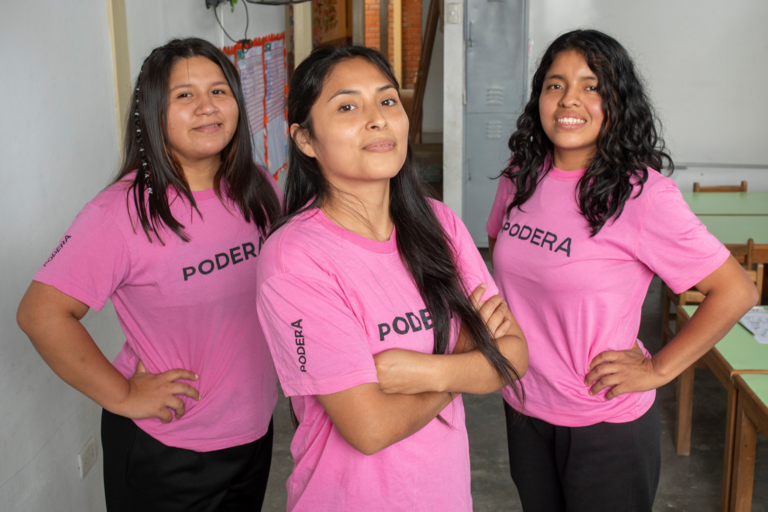
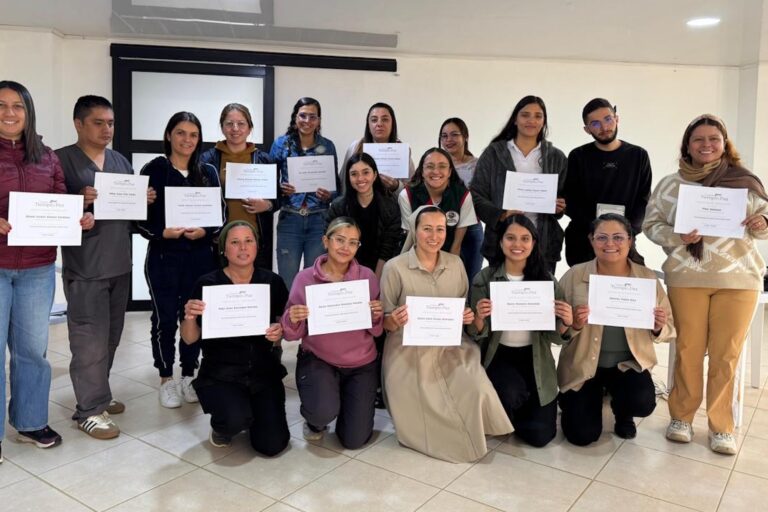
This is the challenge addressed by a project developed by Colombian peacebuilding organisation Somos CaPAZes, together with its employability partner Disruptia. Selected through the Community Impact Call, the initiative supports 15 women in Puerto Tejada, in Colombia’s Cauca department, as they prepare for, access and adapt to formal employment.
Its approach offers a relevant lesson for social organisations, employers and funders: inclusive employment requires more than training and recruitment. It also depends on what happens after a person enters the workplace.
Why women in Puerto Tejada face multiple employment barriers
The participating women are part of Cantadoras PAZíficas, a programme working with communities in Colombian territories affected by armed conflict.
In Puerto Tejada, women who are the primary providers for their households frequently encounter several overlapping barriers to formal employment. These include unpaid care responsibilities, limited access to digital tools, reduced professional networks and employment opportunities concentrated in the informal economy.
Experiences of violence, displacement and long-term exclusion can also affect confidence and make recruitment processes and formal workplace environments more difficult to navigate.
These challenges rarely exist in isolation. A lack of digital skills can limit access to vacancies, while care responsibilities can make fixed training schedules difficult to attend. Limited professional networks may reduce opportunities to secure interviews, and prolonged exclusion can influence how candidates perceive and communicate their own capabilities.
This demonstrates why technical training, although necessary, cannot resolve every barrier on its own.
An employment model combining training technology and continued support
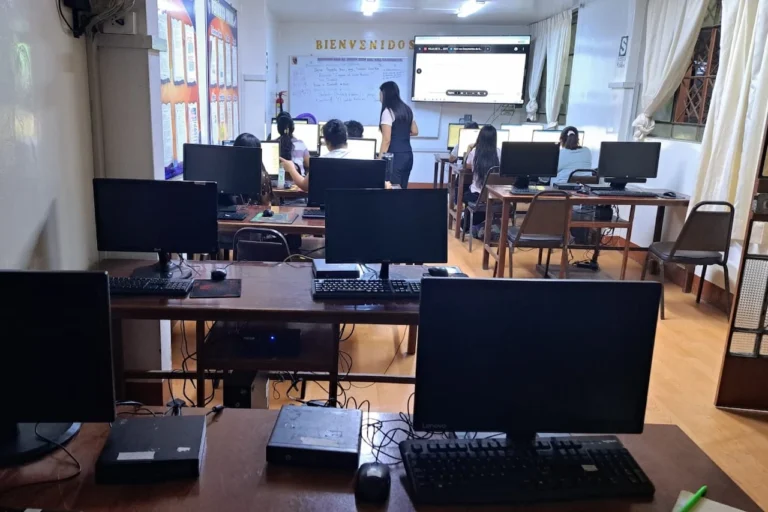
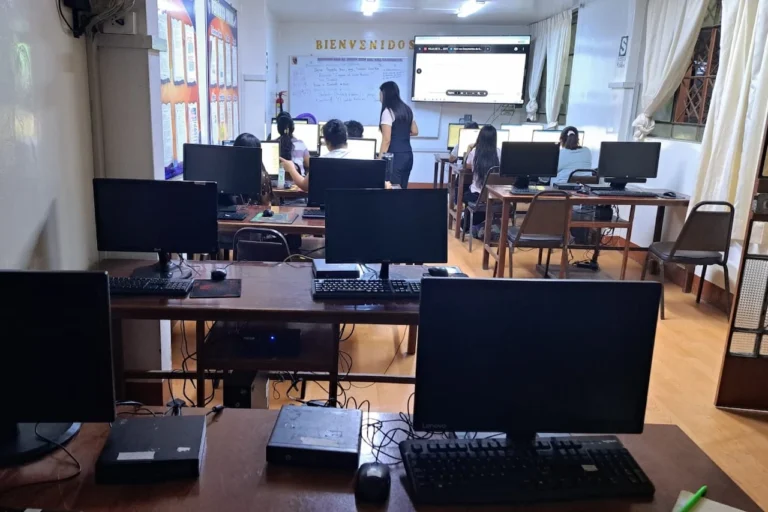
The project combines hybrid technical training, digital tools and personalised employment support.
The blended format provides greater flexibility for women with care responsibilities, while the training content responds to skills required by employers. This helps reduce the gap that can sometimes exist between employability programmes and real labour market opportunities.
Technology supports different stages of the employment pathway. Through Disruptia, participants can access tools for:
- Creating and improving CVs with artificial intelligence
- Identifying relevant vacancies through personalised job matching
- Receiving automated follow-up through WhatsApp
These tools can make employment services more accessible and efficient. However, technology does not replace personal support. Its value lies in helping employment professionals identify needs, maintain regular contact and connect participants with suitable opportunities.
Why post-placement support matters
One of the project’s most important elements begins after a participant secures a job.
Each woman receives 12 weeks of post-placement support during the initial adaptation period. Regular follow-up helps identify challenges before they lead to disengagement or resignation.
These challenges may include managing new schedules, understanding workplace practices, adapting to a professional environment or balancing employment with responsibilities at home. A participant may have the technical ability to perform a role but still need support to manage this wider transition.
For Somos CaPAZes, this approach reflects a lesson developed through more than 15 years of peacebuilding work: one-off interventions rarely resolve barriers created by long-term exclusion. Sustainable change requires continued support that strengthens confidence and the networks surrounding each person.
Post-placement support therefore changes how employment outcomes are understood. Success is not simply obtaining a contract. It is creating the conditions that help someone remain in employment and build a longer-term professional pathway.
What employers can learn about inclusive recruitment and retention
Post-placement support is sometimes viewed as an additional social service. In practice, it can also be an effective recruitment and retention mechanism.
Structured follow-up helps identify the reasons why a new employee may be struggling to adapt. It can distinguish between a technical skills gap and an obstacle that could be addressed through clearer communication, mentoring, greater flexibility or an appropriate workplace adjustment.
This does not mean reducing professional expectations. It means recognising that offering the same opportunity to everyone does not automatically give everyone the same conditions to succeed.
Partnerships between companies and social organisations can be particularly valuable at this stage:
- Social organisations understand the individual, the community and the barriers affecting access to employment.
- Employers understand workplace expectations, recruitment needs and potential career pathways.
- Technology partners can help personalise and scale matching and follow-up processes.
When these perspectives are connected, employability programmes can move beyond isolated training activities and become more complete pathways into sustainable employment.
How formal employment can contribute to peacebuilding
In territories affected by conflict and economic exclusion, formal employment has implications beyond individual income.
Stable work can provide women and their households with greater financial security and access to employment rights. It may also reduce vulnerability to exploitative or illegal economic activities that target people with few alternatives.
The impact can extend into the wider community. When one woman enters and sustains formal employment, her experience can become a practical reference for others who may not have considered that pathway possible.
Somos CaPAZes therefore approaches employability as part of its broader peacebuilding work. Its model is based on the understanding that peace is also built through economic participation, everyday security and the ability to make decisions about one’s future.
The role of Konecta Foundation
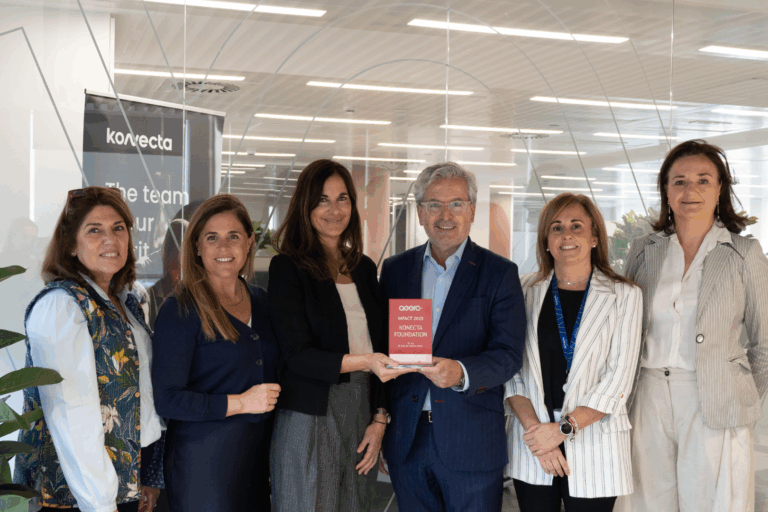
Konecta Foundation supports the project through the Community Impact Call. Its contribution strengthens the hybrid technical training and the 12-week post-placement assistance provided during the participants’ transition into formal employment.
The collaboration also creates opportunities to connect the project with Konecta’s business and volunteering network, bringing participants closer to formal workplace environments and potential employment pathways.
The initiative focuses on a concrete outcome: enabling 15 women from Puerto Tejada to access and sustain formal employment. At the same time, it provides an opportunity to assess a model that combines training, technology and continued support and explore its potential application with other women participating in Cantadoras PAZíficas across Colombia’s Pacific region.
For social organisations, funders and employers, the project raises an important question: should an employment programme be considered successful when someone finds a job, or when that person has the support and conditions needed to remain and progress in it?
The experience in Puerto Tejada starts from the second definition.
Frequently asked questions
What is the inclusive employment project in Puerto Tejada?
The project supports 15 women in Puerto Tejada, Colombia, through hybrid technical training, personalised job matching and 12 weeks of assistance after entering formal employment. It is led by Somos CaPAZes together with its employability partner Disruptia.
Why is post-placement support important?
The first weeks in a new job can present practical and personal challenges, particularly for people entering formal employment after a period of exclusion. Post-placement support helps address these difficulties early and contributes to more sustainable employment.
How does the project use technology?
Participants can access AI-assisted CV preparation, personalised matching with available jobs and automated WhatsApp follow-up. These tools complement the individual guidance provided throughout the employment process.
How does Konecta Foundation support the initiative?
Konecta Foundation supports the project through the Community Impact Call. Its contribution strengthens the hybrid training and the 12-week post-placement support provided to participants.
What can employers learn from this employment model?
The project demonstrates the importance of combining recruitment with continued support. Early follow-up can help employers identify adaptation barriers, improve retention and create more inclusive pathways into the workplace.