

From digital access to workplace skills: applying technology to employment

How “La Taska”, one of the organisations selected through the latest Community Impact Call, is helping young people apply technology in professional contexts as part of broader pathways towards independence and employment.
Young people may use digital devices every day, but this does not necessarily mean they have the skills required in a professional environment. Writing a document, working with a spreadsheet, managing email or applying for a job online require a different kind of digital confidence.
This is the gap that La Taska aims to address through the project selected as part of the latest edition of Konecta Foundation’s Community Impact Call.
Founded in 2014, Associazione La Taska ETS works with children, young people and families experiencing vulnerable circumstances in the southern Milan area. Its support model combines care for minors with longer-term work to help families build greater stability, independence and educational capacity.
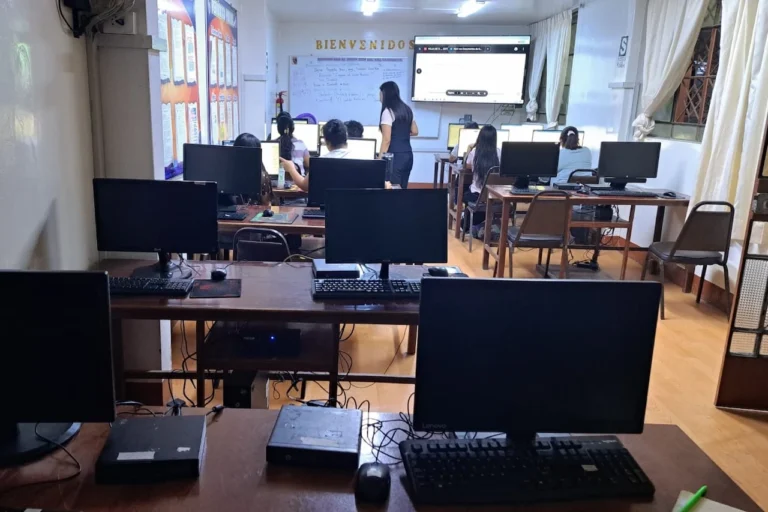
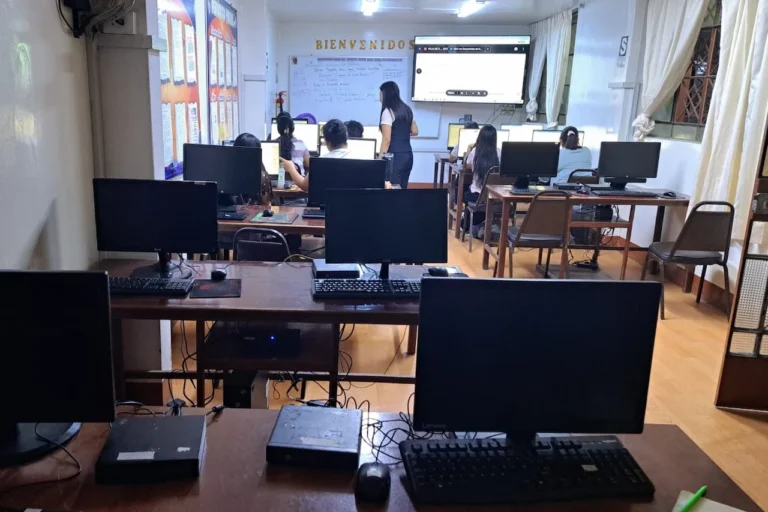
Within this broader approach, preparation for employment plays an important role. The new project will provide young participants with practical training in workplace tools such as Word, Excel, PowerPoint and email, helping them develop skills they can use when preparing a CV, searching for opportunities and entering recruitment processes.
Everyday technology use is not workplace digital competence
The project addresses a misconception that also matters to employers and training providers: frequent use of a smartphone does not automatically translate into professional digital competence.
Many young people are comfortable navigating apps and social platforms but have had limited opportunities to use the structured tools that remain standard across a wide range of jobs. This can create an additional barrier to employment, particularly for those who already face social or educational disadvantages.
“La Taska”‘s approach therefore goes beyond teaching participants how to use a computer. The training is designed as part of a wider pathway towards independence and employment, connecting technical learning with a practical objective.
Participants will be able to demonstrate recognisable skills on their CVs, apply for jobs more independently and approach recruitment processes with greater confidence. For employers, this means candidates who are better prepared to meet the basic digital requirements of the workplace.
Learning to apply technology in the workplace
The programme will focus not only on how digital tools work, but also on how they are applied in real professional contexts. Participants will learn to use technology to complete common workplace tasks: drafting and formatting documents, organising information in spreadsheets, preparing presentations, communicating by email and managing online job applications.
This distinction is increasingly important as technology becomes embedded in almost every role and sector. Entry-level positions now often require candidates to navigate digital platforms, communicate through multiple channels and adapt to new tools and processes. Developing these capabilities can support access to a wider range of opportunities while helping participants approach the workplace with greater confidence and autonomy.
The project will also establish a foundation for continued learning. Specific tools will evolve, particularly as artificial intelligence and automation reshape everyday tasks, but the ability to understand, apply and adapt to workplace technology will remain essential.
Embedding skills within a wider support pathway
One of the project’s most relevant features is the way the training complements “La Taska”‘s existing work.
Standalone training can be useful, but it does not always address the circumstances that prevent someone from completing a course or translating new knowledge into employment. By integrating digital skills into an established support pathway, La Taska can connect learning with the participants’ individual needs and longer-term goals.
This offers a useful insight for other social organisations: employability initiatives can become more effective when technical skills are not treated as an isolated intervention, but as one component of a broader process that includes guidance, continuity and personal support.
The Community Impact Call funding will enable “La Taska” to acquire the necessary technology and activate the training programme more quickly. The project will also allow the organisation to test how a structured workplace digital skills module can be integrated into its existing support pathways. This includes assessing which skills are most relevant to participants, how training can be adapted to different starting levels and whether participants are able to apply what they learn to practical tasks such as preparing documents, managing email and completing online job applications.
The experience could then be used to improve the content and delivery method and determine whether the module could be offered to other groups or adapted by organisations working with young people facing similar barriers to employment.
What companies can contribute beyond funding
The collaboration has already created value before the training itself begins. Working with Konecta has helped “La Taska” strengthen its internal capabilities, review how the programme is organised and connect its social expertise with knowledge from the corporate environment.
This points to a broader role companies can play when working with social organisations. Financial support is important, but companies can also contribute professional expertise, knowledge of recruitment processes, employee skills and a clearer understanding of how workplace requirements are evolving.
For companies looking for a social partner, the most effective collaborations often begin with a clearly identified need and complementary capabilities. Social organisations bring trusted relationships, specialist knowledge and an understanding of participants’ circumstances. Companies can provide technical expertise, tools and direct insight into the labour market.
When these contributions are properly aligned, a focused intervention can strengthen both the people taking part and the organisation delivering it.
From a local project to a model that can be tested
The immediate goal is practical: to enable young people to apply digital tools in professional contexts, supporting greater independence and improving their access to employment.
The longer-term opportunity is to understand whether the training can become a structured and replicable part of “La Taska”‘s model. Its value will depend not only on delivering the activities, but also on assessing whether participants can apply what they learn: preparing a CV, managing applications independently, communicating professionally and using digital tools to complete workplace tasks.
That focus on practical outcomes is central to the Community Impact Call. By connecting local organisations with the resources and expertise available across Konecta, the programme supports solutions that respond to identified needs and can generate useful learning for a wider ecosystem.
For “La Taska”, the project is a first step into a new area of work. For other organisations and companies, it provides an example of how targeted digital training, integrated into a broader support pathway, can help turn access to technology into access to employment.
Frequently asked questions
What are workplace digital skills?
Workplace digital skills are the practical abilities needed to use technology in a professional environment. They include creating and formatting documents, working with spreadsheets, preparing presentations, managing email and completing online job applications.
Why do young people need specific workplace digital training?
Frequent use of smartphones, apps or social media does not automatically provide the skills needed in a professional setting. Workplace digital training helps young people apply technology to structured tasks, recruitment processes and everyday responsibilities at work.
How does La Taska support young people’s employability?
La Taska integrates practical digital training into a wider support pathway for young people and families experiencing vulnerable circumstances. This connects technical learning with personal guidance, continuity and longer-term goals related to independence and employment.
What will participants learn through the project?
Participants develop practical skills in tools such as Word, Excel, PowerPoint and email. They also learn how to prepare a CV, search and apply for jobs online, organise information and communicate in a professional context.
How does Konecta Foundation support the project?
Konecta Foundation supports the project through the Community Impact Call. The contribution provides access to the technology and resources required for the training and helps La Taska integrate a structured workplace digital skills module into its existing support pathways.
What can other social organisations learn from this approach?
The project shows that digital skills training can be more effective when it forms part of a broader support pathway. Combining technical knowledge with guidance and personal support can help participants translate what they learn into practical employment outcomes.
How can companies contribute to youth employability programmes?
Alongside funding, companies can contribute knowledge of recruitment, workplace technology, changing skills needs and professional practices. When combined with the community expertise of social organisations, these capabilities can make employment initiatives more relevant and effective.