

Sport and social inclusion
Sport and social inclusion: how volunteers support local communities
In 2022, nearly one in three adults worldwide—about 1.8 billion people—did not meet recommended levels of physical activity, according to the World Health Organization. A global review published in The Lancet found that people with disabilities were 16% to 62% less likely to meet those guidelines than people without disabilities across the studies reviewed. These figures measure physical activity, not sports participation alone, but they show why access matters.
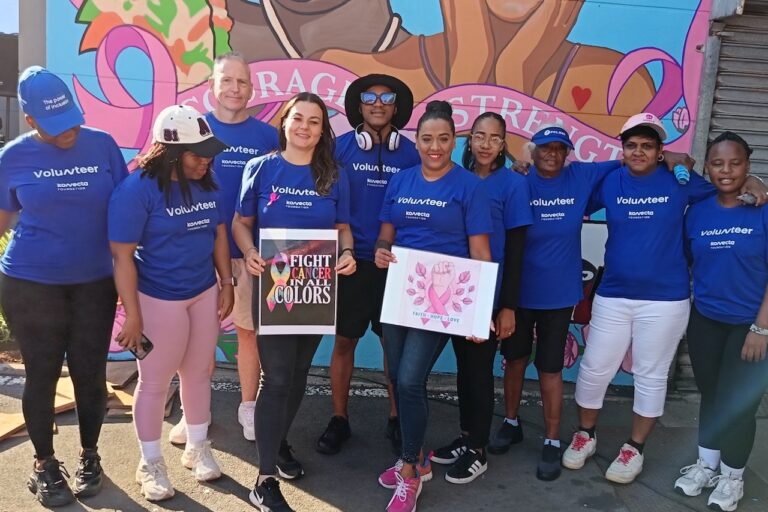
Through Fit for Life, UNESCO also recognizes sport as a way to advance social inclusion. Konecta volunteering initiatives in Italy, South Africa, and Spain illustrate what that broader role can look like: helping people take part in sport, bringing a community together around breast cancer awareness, or raising funds for charitable causes.
Italy: helping people with disabilities take part in sport
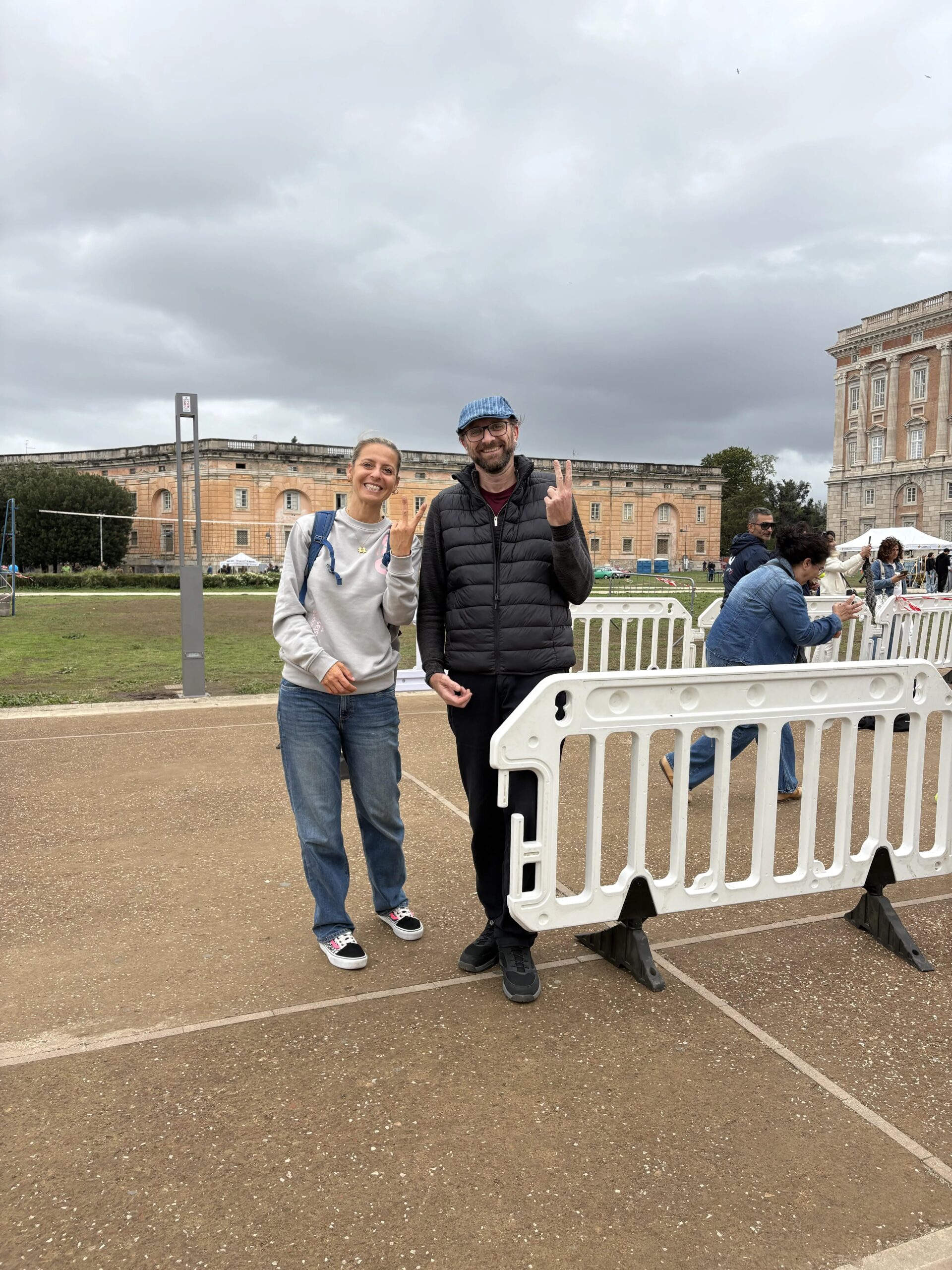
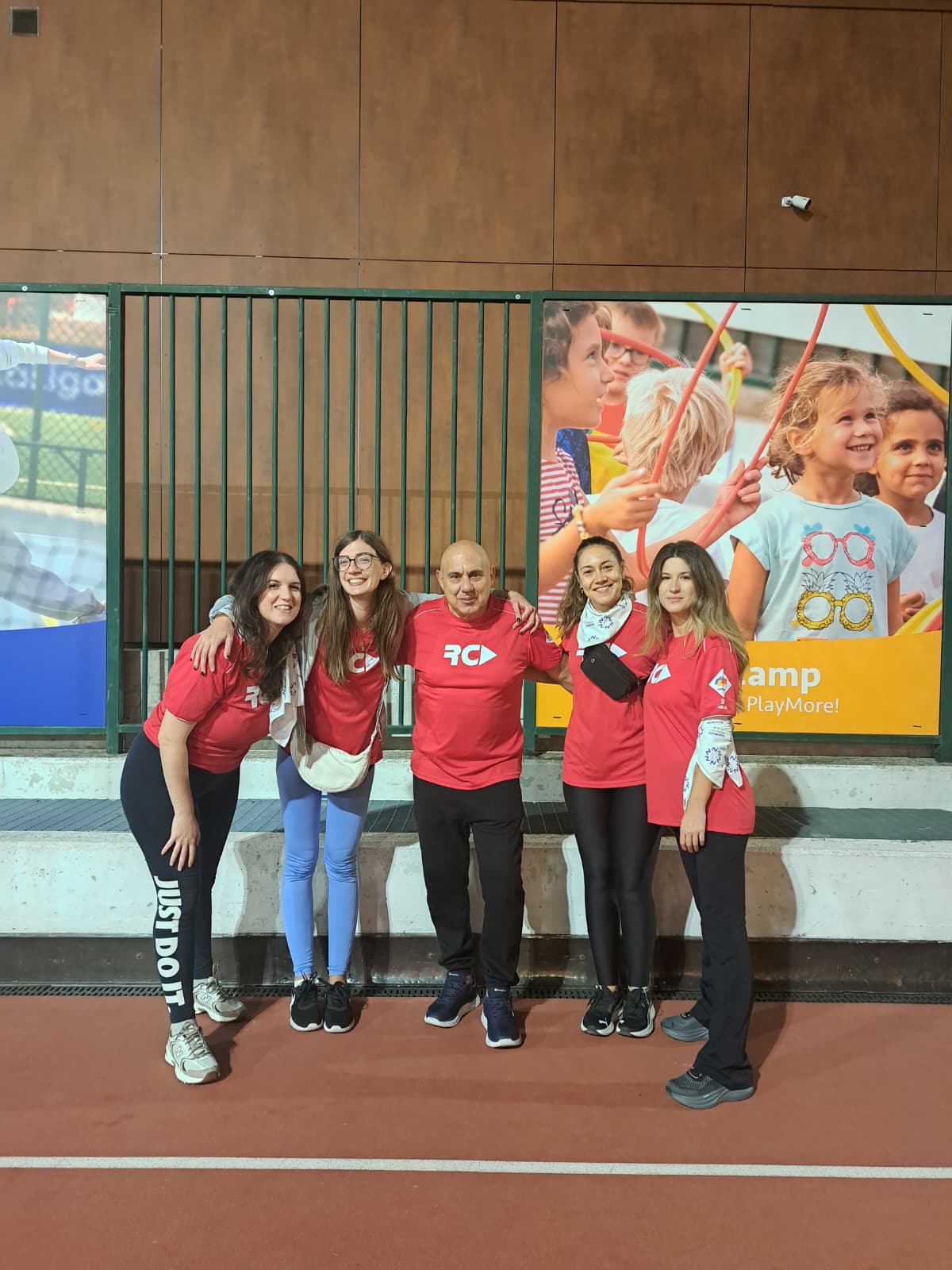
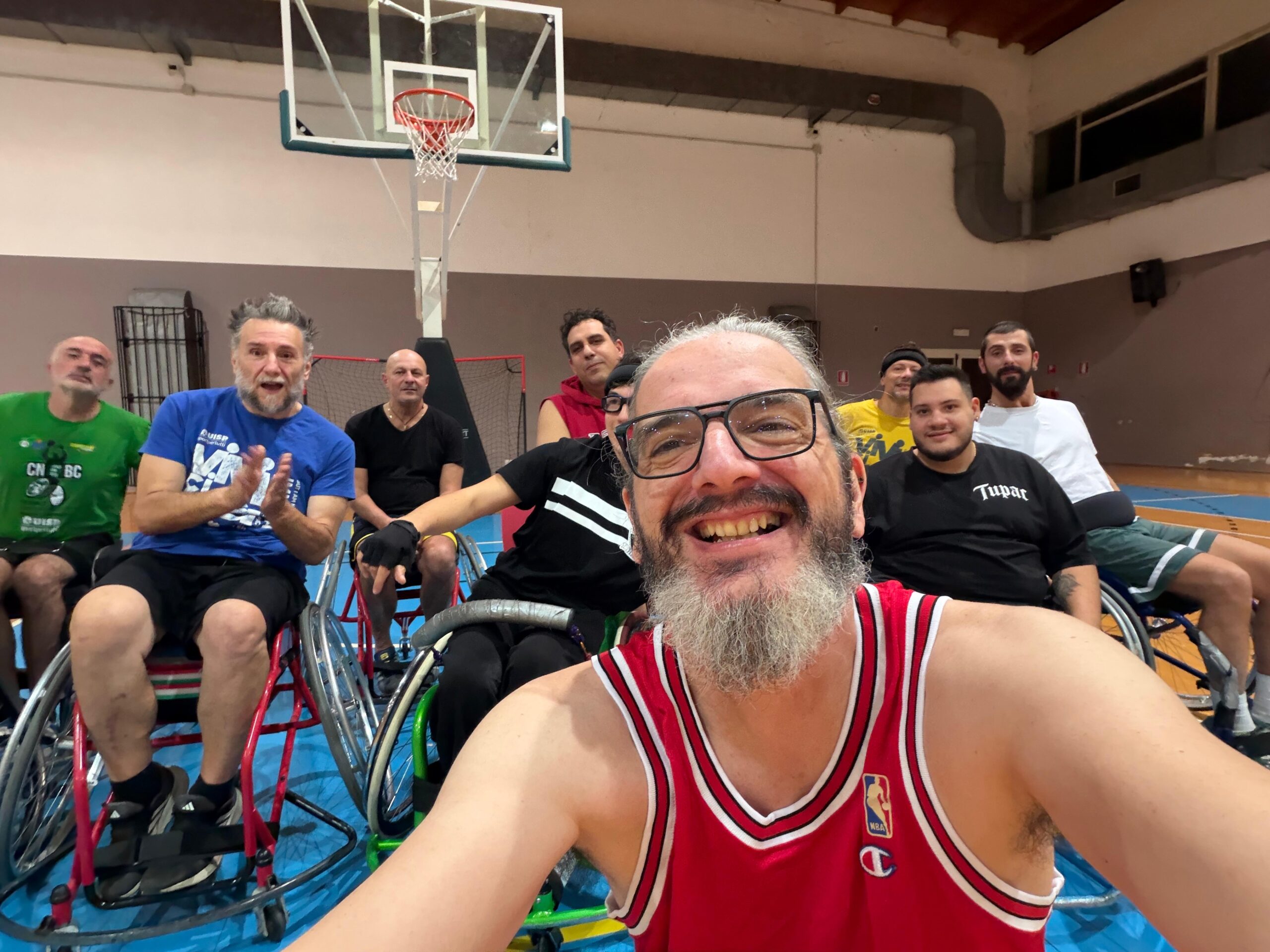
During Global Volunteering Month, nearly ten Konecta volunteers supported four sports activities for people with disabilities, reaching nearly 70 participants. Volunteers joined an activity with PlayMore! in Milan, helped at FlikFlok in Caserta, supported a swimming activity in Ivrea, and took part in an initiative with La Spezia Pirates.
Their role was to accompany participants and provide practical assistance during the activities. For companies looking to support inclusive sport, this offers a useful starting point: ask local organizers what would make it easier for people to take part, then agree on a role volunteers can fill.
South Africa: a community walk and run for breast cancer awareness
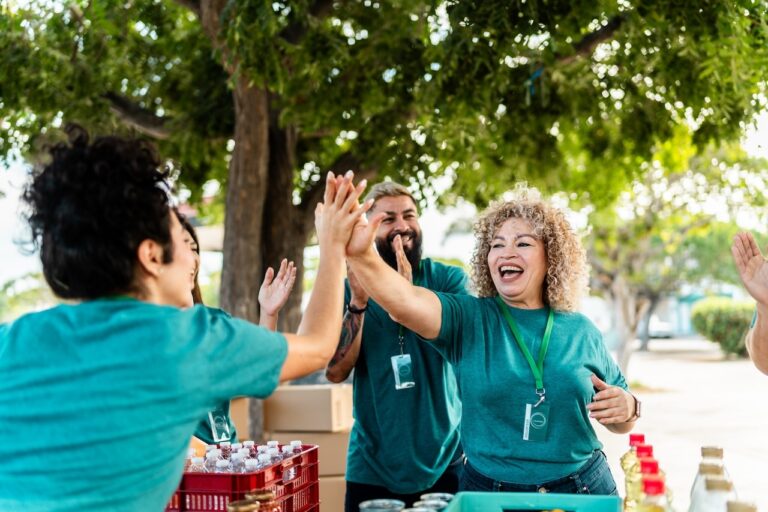
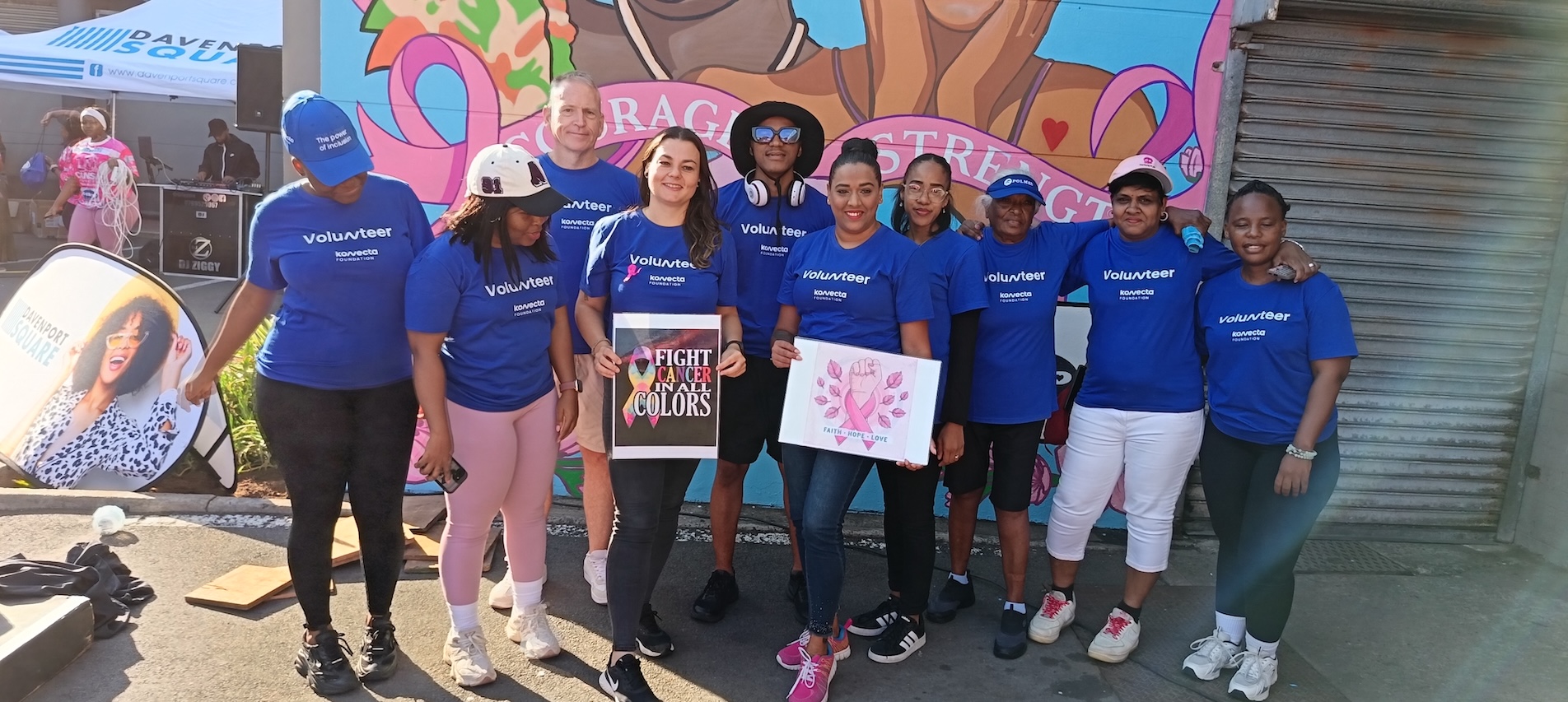
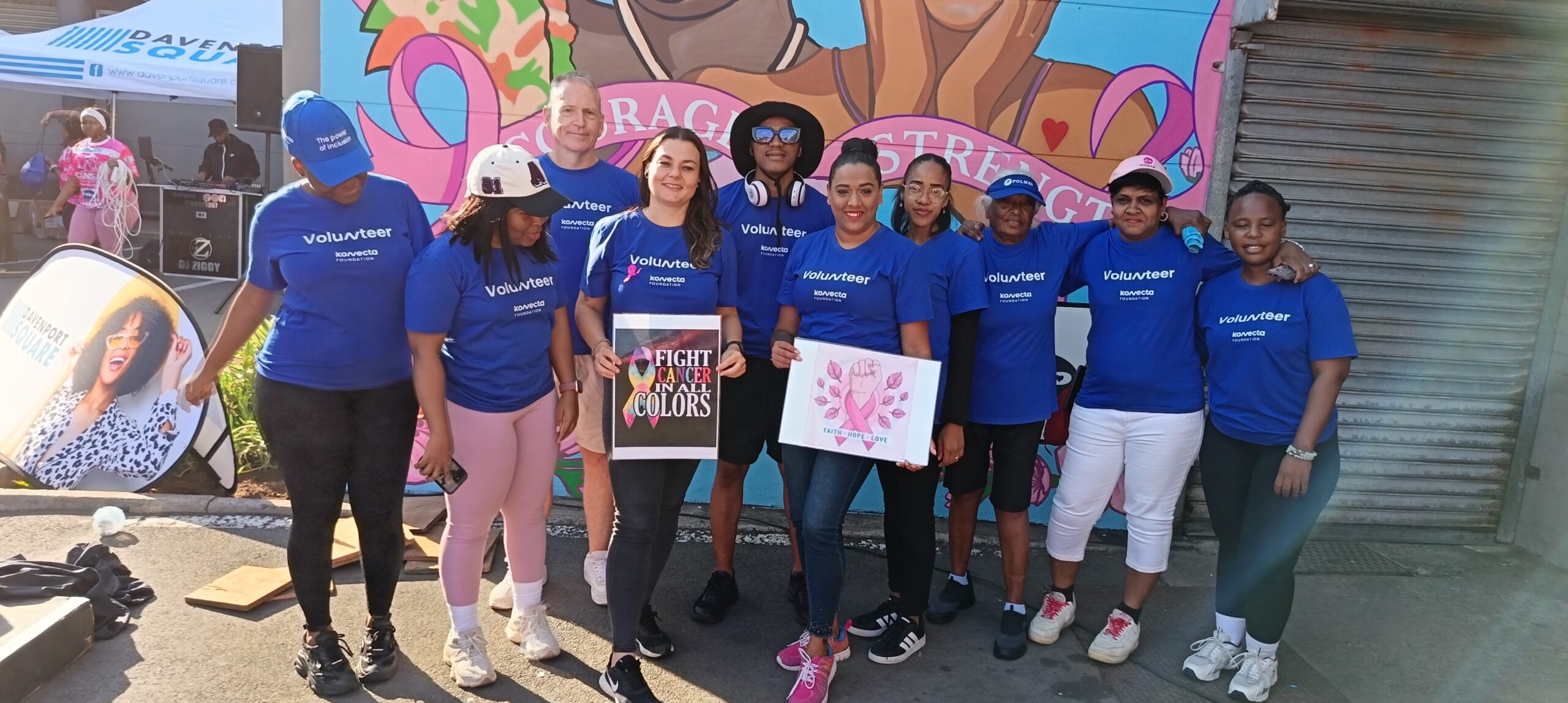
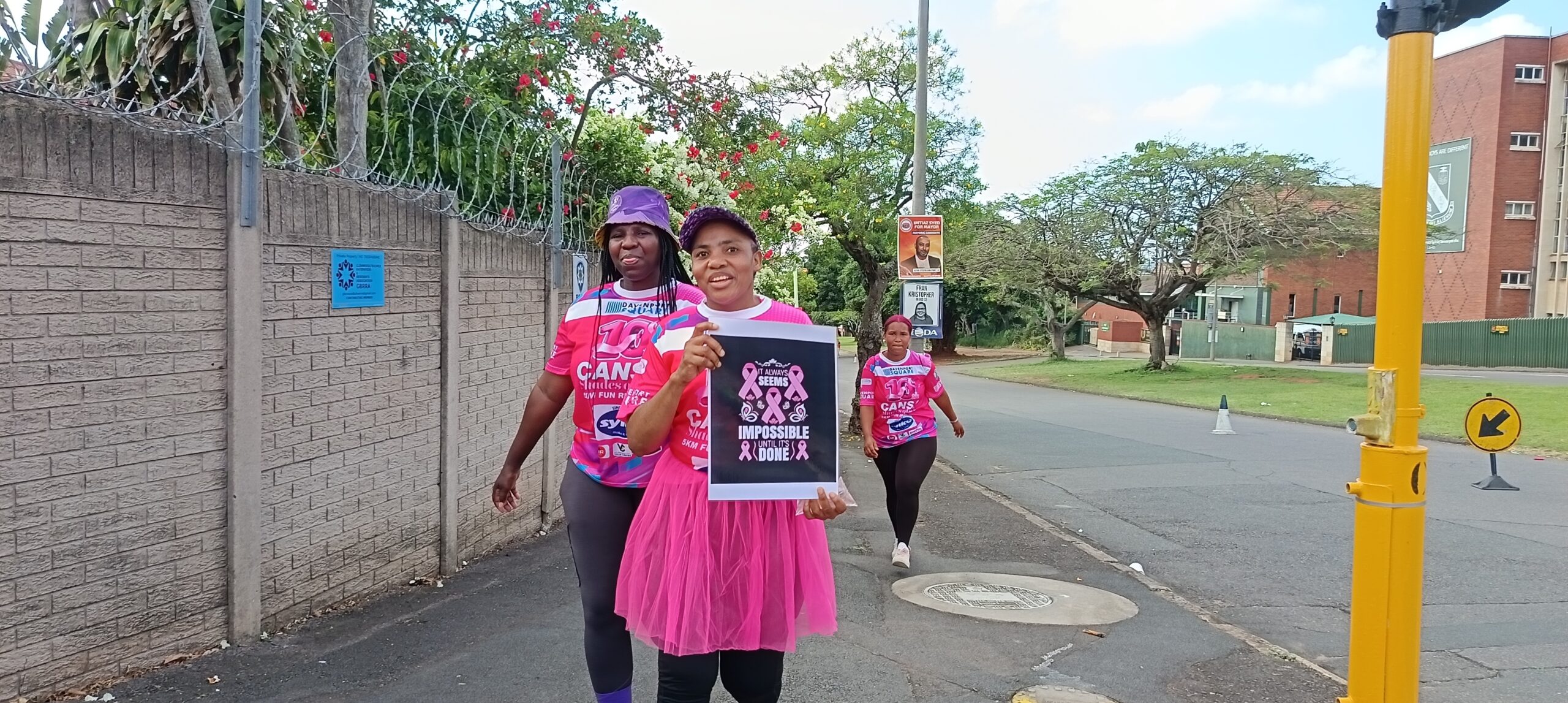
In KwaZulu-Natal, around ten Konecta volunteers worked with CrossRoads at a community walk and run in aid of CANSA, the Cancer Association of South Africa. They guided walkers and runners along the route and helped at water stations. That practical support helped deliver an event designed to raise breast cancer awareness and funds for CANSA’s work.
Spain: raising funds through a charity padel tournament
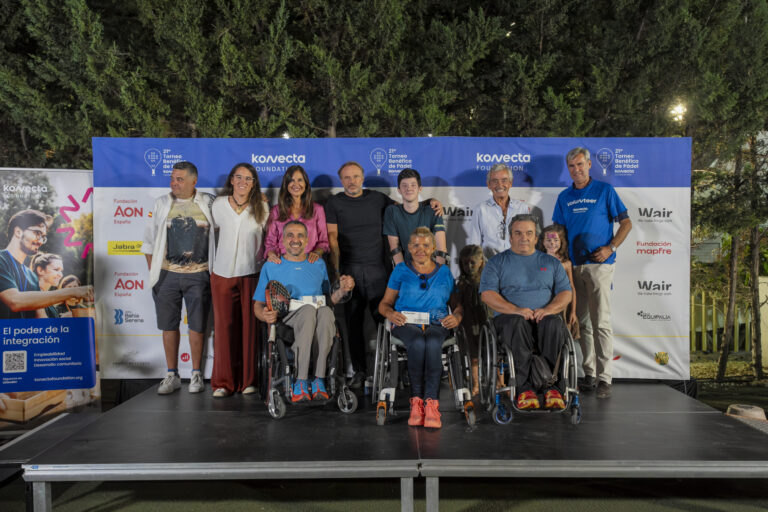
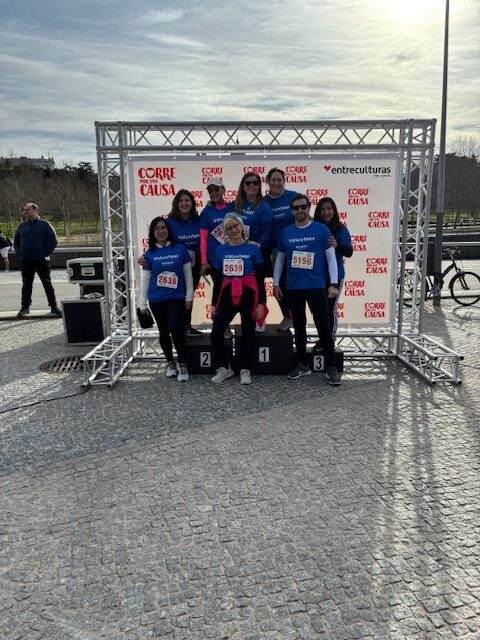
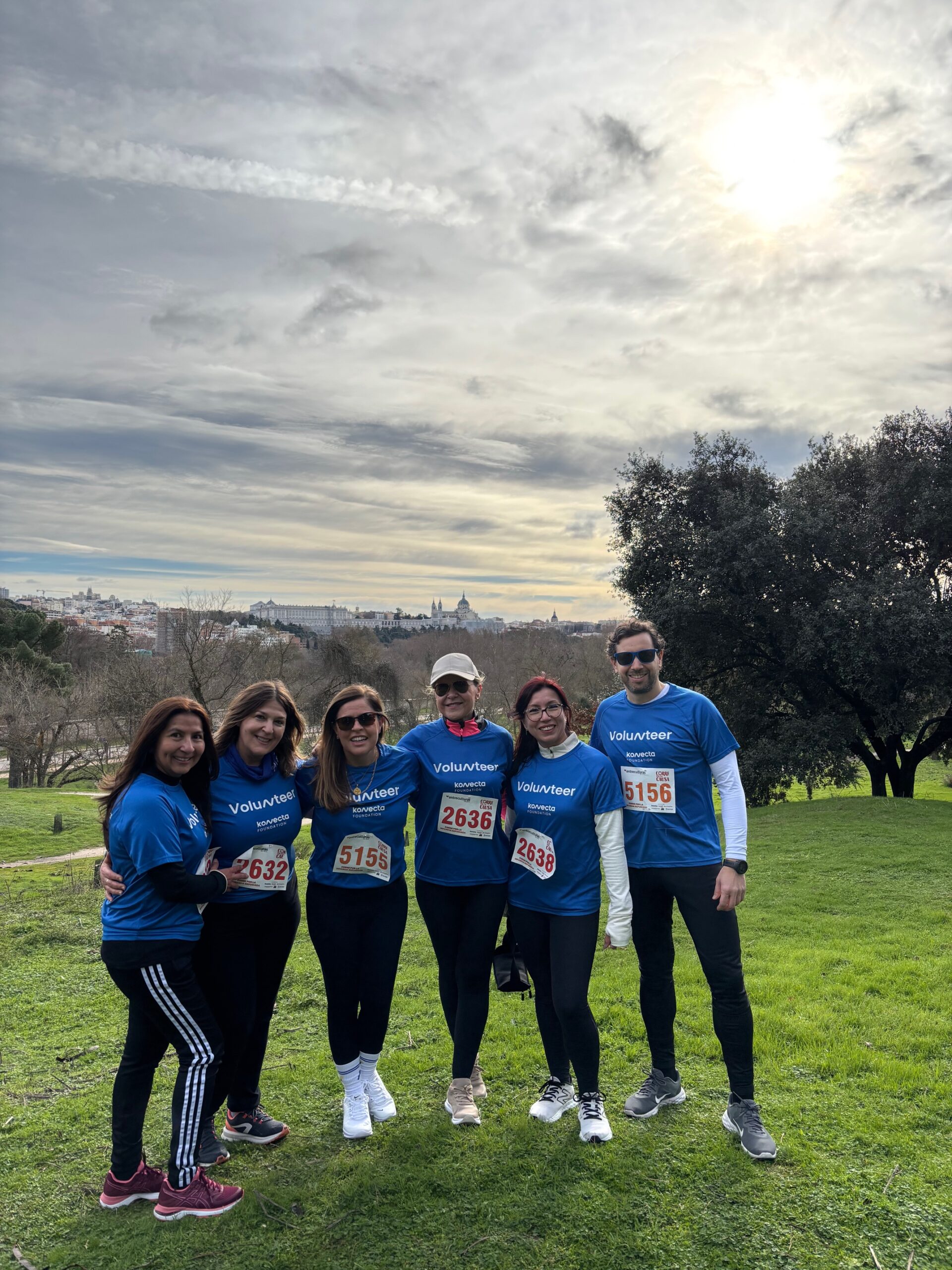
In Madrid, more than 20 volunteers supported the 21st Konecta Foundation charity padel tournament. In this case, the purpose was fundraising: the tournament used a shared sporting activity to bring people together in support of charitable causes.
The three examples show why the purpose of an event should shape the volunteer role. At an inclusive sports session, that can mean accompanying a participant. At a charity walk or tournament, it can mean helping organizers run an event that draws attention and resources to a local cause.
Frequently asked questions
How can sport support local communities?
Sport can give more people opportunities to take part in physical activity and provide a setting for communities to come together around a cause. The Konecta initiatives illustrate both roles: participation support in Italy, breast cancer awareness and fundraising in South Africa, and charitable fundraising in Spain.
How did Konecta volunteers support inclusive sports in Italy?
Volunteers accompanied people with disabilities and offered practical assistance at four sports activities in Milan, Caserta, Ivrea, and La Spezia. The activities reached nearly 70 participants.
What is Volunteers For Impact?
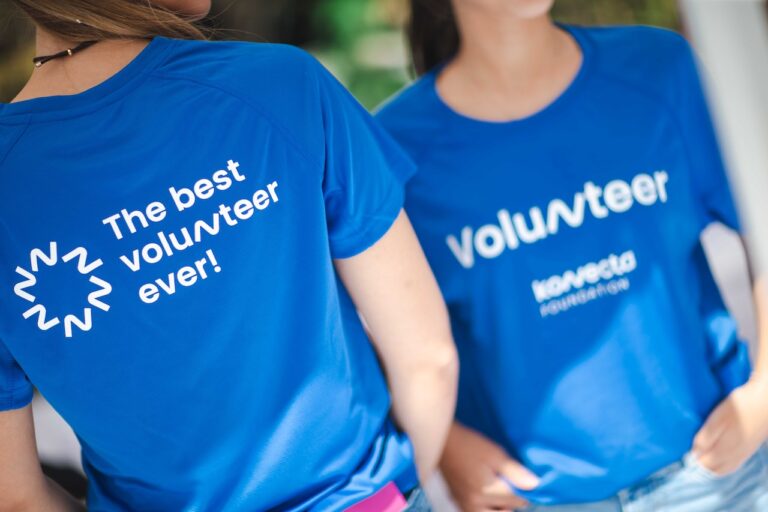
Volunteers For Impact is Konecta Foundation’s global volunteering program. It gives Konecta employees opportunities to contribute their time and skills to initiatives that support local communities.