

AI literacy for young people leaving care in Türkiye
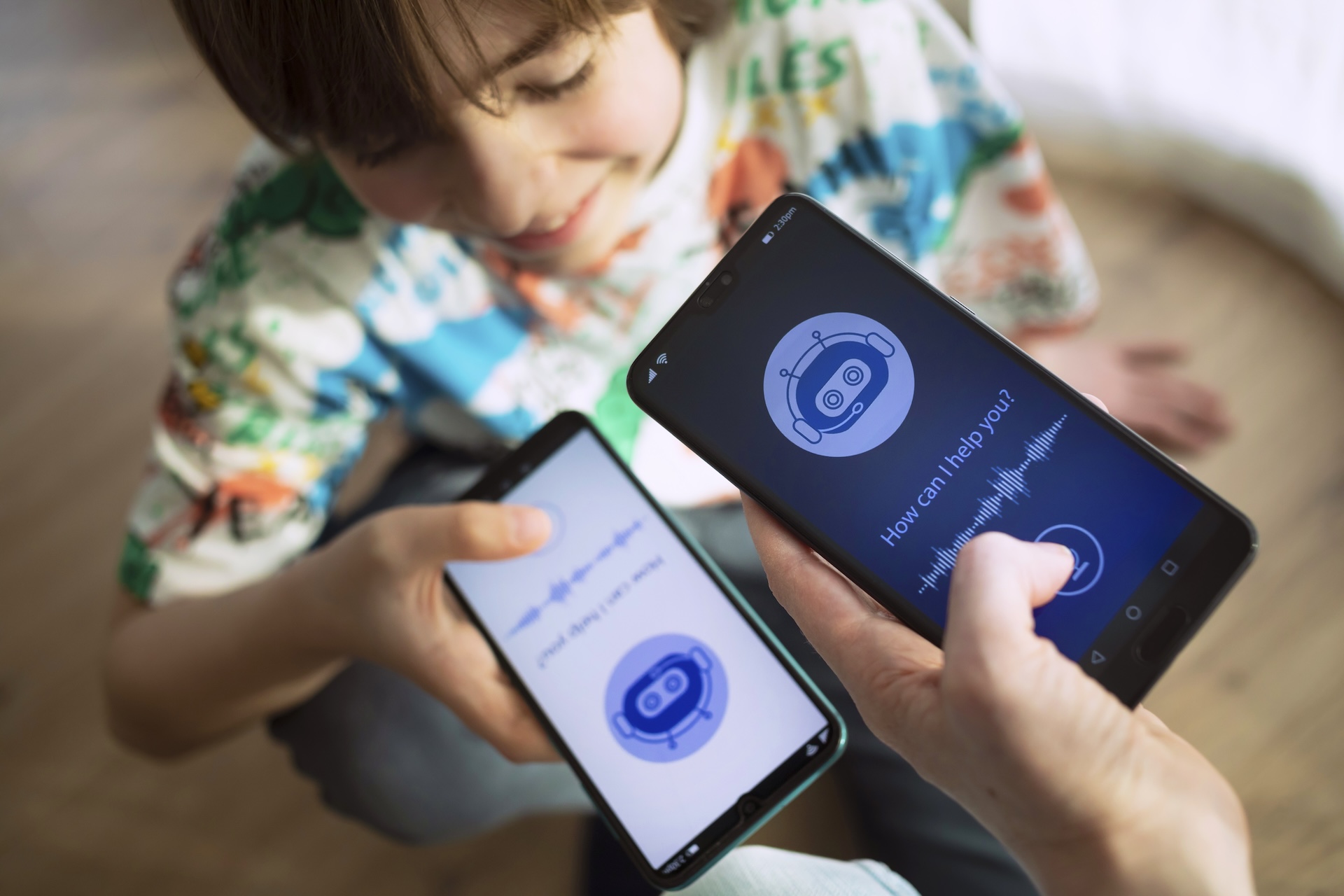
Preparing for a job interview or finding reliable information about your rights can be part of the transition out of state care. AI tools can help with both, but using them well takes practice: knowing what to ask, checking whether an answer is reliable, and deciding what personal information to keep private.
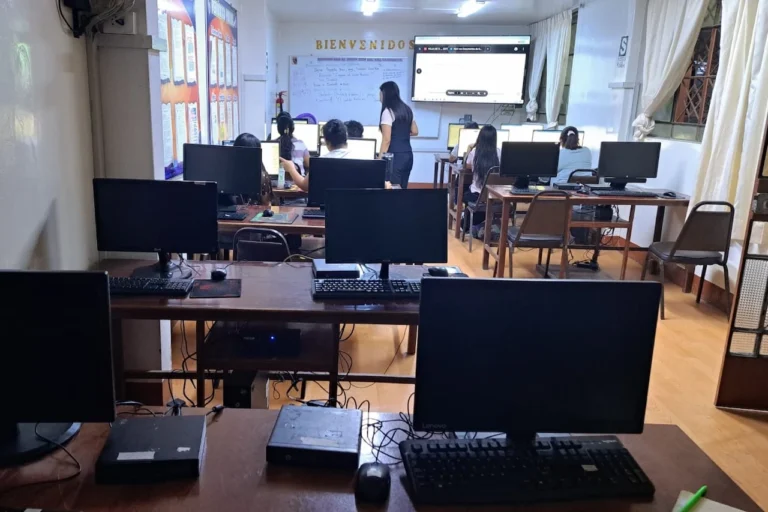
In Türkiye, Hayat Sende Association addresses this need through a three-day workshop designed for 30 young adults with experience of state care. Selected through Konecta Foundation’s Community Impact Call, the project combines practice with AI tools and a digital advocacy campaign that participants design themselves.
Why access alone is not enough
Hayat Sende was founded in 2007 by young people who grew up in state care and wanted to support others making the same transition. That experience informs how the association approaches digital safety. It sees risks both when young people have too little opportunity to practice using digital tools and when they have access without guidance.
The association points to a gender dimension. Girls may face restrictions on phones and internet use intended to protect them, leaving fewer opportunities to learn how to spot scams or misleading content. Boys may have more freedom online but less guidance on how to respond to harmful content or recognize the misuse of AI, including the creation of images without consent. The workshop gives participants a chance to discuss these risks and practice making informed choices.
What AI practice looks like
Hayat Sende illustrates the approach with a hypothetical example: an 18-year-old who has recently left care and uses her phone mainly to keep in touch with others. In the workshop, she might start by asking an AI tool for feedback on a résumé or using it to rehearse a job interview. The same exercise gives her a chance to decide what information to leave out of a prompt and which suggestions to accept, question, or discard.
Finding information about her rights calls for a different kind of judgment. An AI answer can suggest where to start, but a reliable source is needed to verify it. Data protection, bias, and critical evaluation are built into the workshop alongside practical uses for education, career planning, and professional communication.
Putting the skills to use in a campaign
Hayat Sende calls its approach professional immersion. Support from the Community Impact Call helps cover workshop facilities and accommodation so the group can work together over three days. Participants decide what their digital campaign should say about the rights of young people with experience of care and how to share it.
The campaign gives participants an audience and a purpose for the skills they practice. It also reflects a choice that other organizations designing digital training can learn from: let participants decide what they want to communicate and use the tools to help them do it. Hayat Sende also sees potential for the training to inform the future work of its Flying Fish Youth Council (UçanBalık Gençlik Konseyi) and, if the model proves effective, to be repeated with other groups.
Frequently asked questions
Who is the AI literacy workshop for?
It is designed for 30 young adults in Türkiye with experience of state care and runs over three days.
What does the workshop cover?
It covers safe and critical AI use, including data protection, bias, and checking AI-generated information. Participants explore uses for education and job preparation and design a digital advocacy campaign about their rights.
How does Konecta Foundation support the project?
Konecta Foundation selected the project through the Community Impact Call. Its support helps cover the workshop facilities and accommodation.