

Disability employment in Morocco: a chance to put skills to work
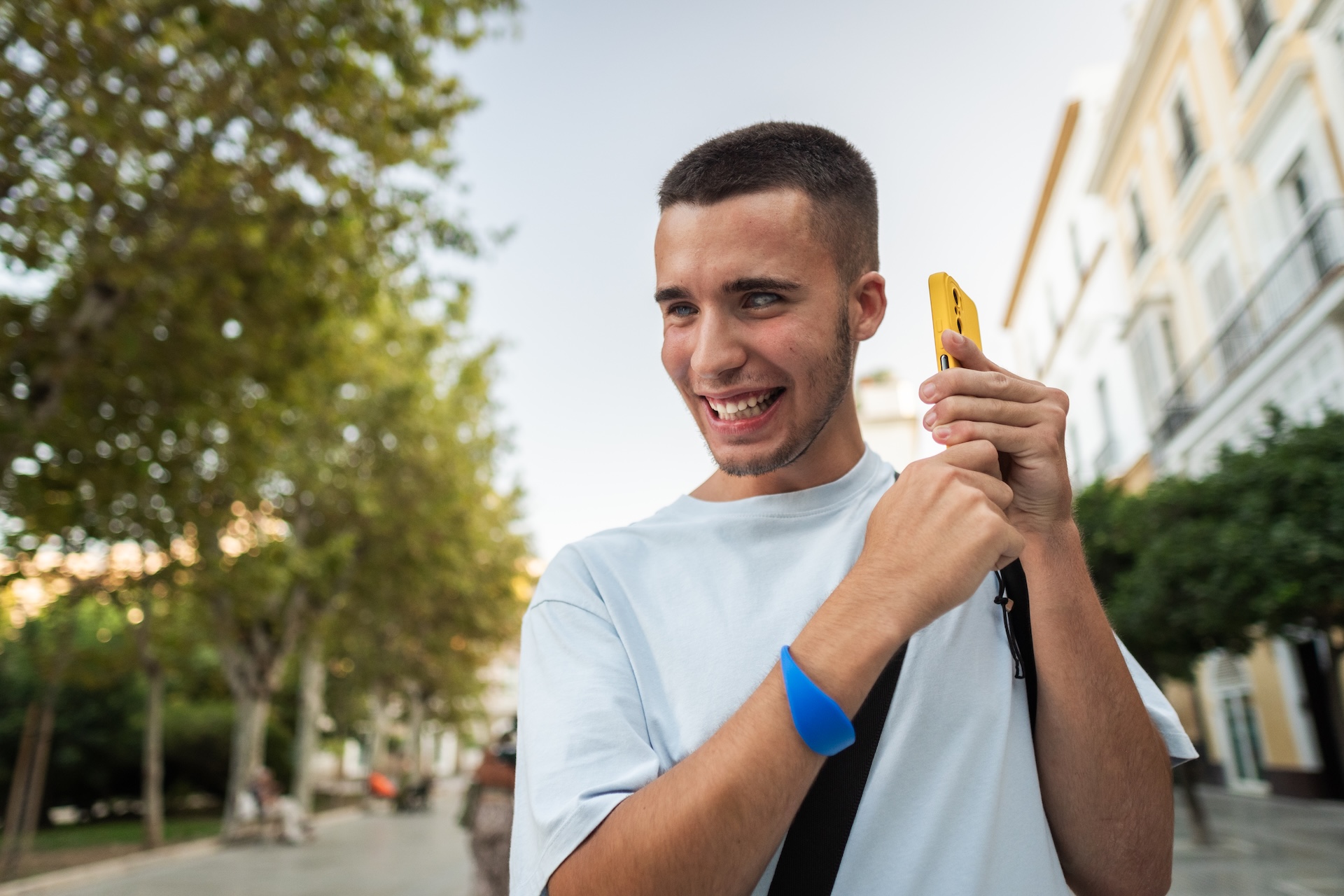
A young woman with a physical disability had a degree in business management and had applied for several jobs without finding work. Through DuoDay, she got to spend time inside partner companies, see how teams worked, and put her skills to use. It was a chance to show what she could do outside the confines of a job application.
Her experience sits within a wider employment challenge. In 2024, 8.9% of people with disabilities in Morocco were employed, according to a census analysis by Morocco’s High Commission for Planning (HCP), the country’s main producer of official statistics. The figure covers people with disabilities as a whole, not just the young people with physical disabilities who are the focus of the SKILL project.
Connecting training with the workplace
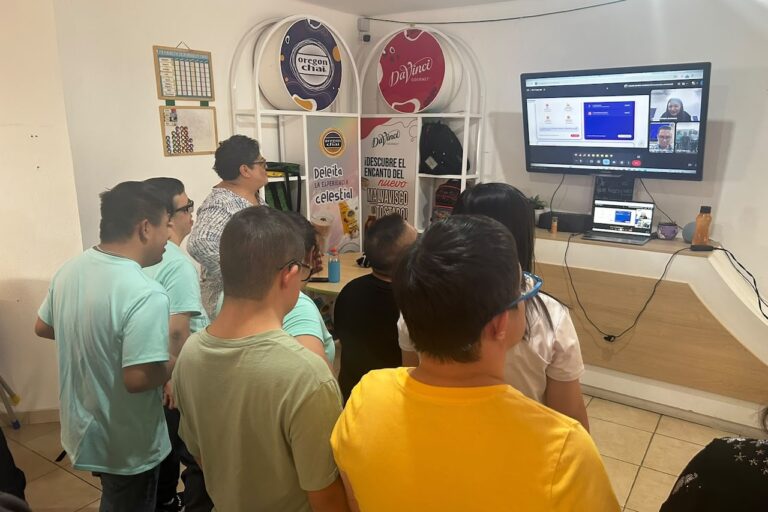
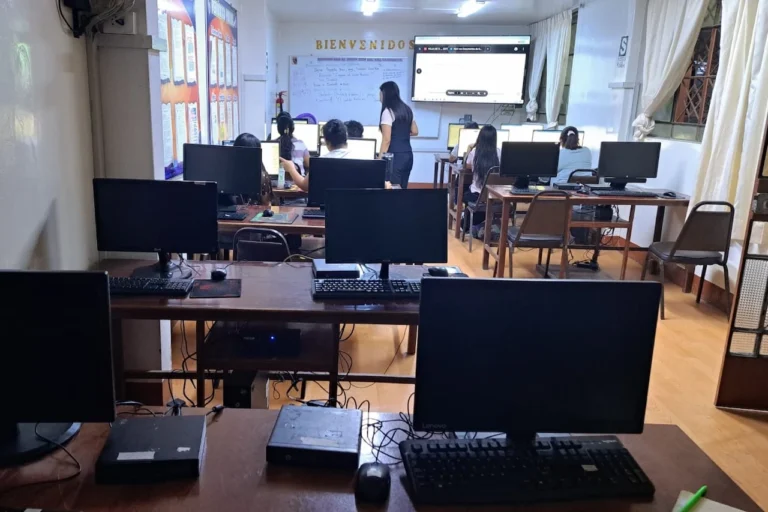
Led by the Amicale Marocaine des Handicapés (AMH) and selected through Konecta Foundation’s Community Impact Call, SKILL stands for Skills for Knowledge, Inclusion and Labour Linkage. The project combines digital skills training with career guidance tailored to each participant’s interests and goals. It also works with employers to give participants opportunities to apply those skills in a professional setting.
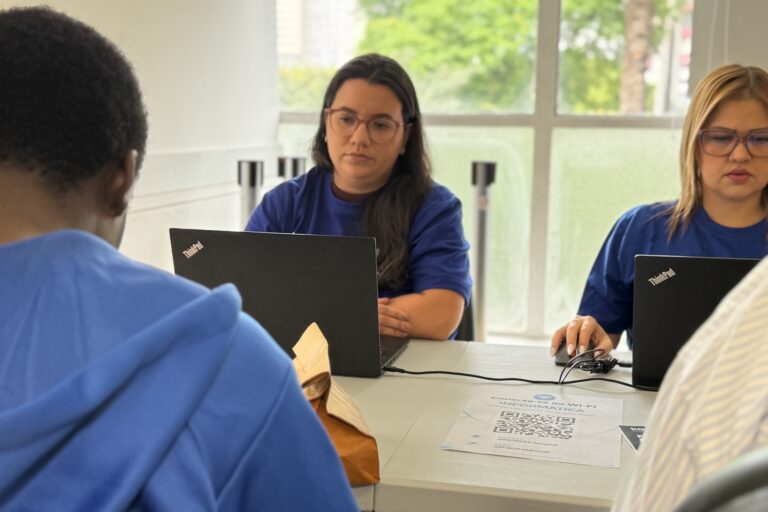
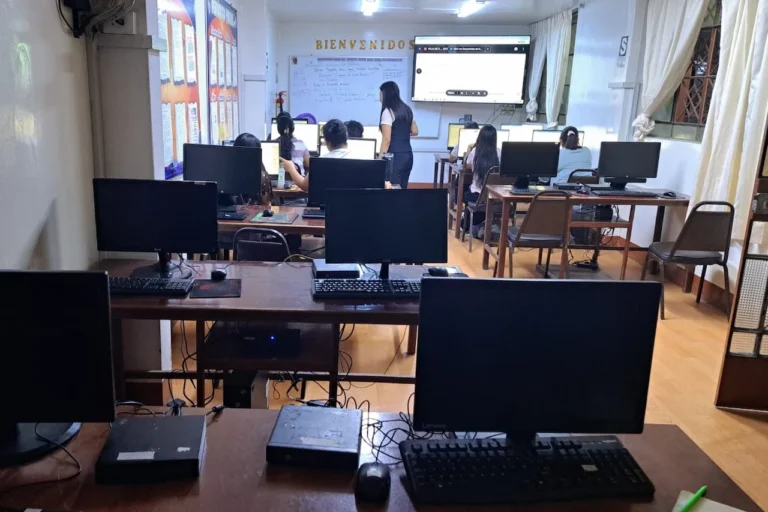
For the business management graduate, that meant refreshing her computer skills, taking part in workshops, and talking to volunteers from different companies about what to expect at work. Her time with partner teams through DuoDay gave that preparation a practical purpose. She could see what day-to-day work involved, try out her skills, and explore what kind of role she might pursue.
The role of employers and volunteers
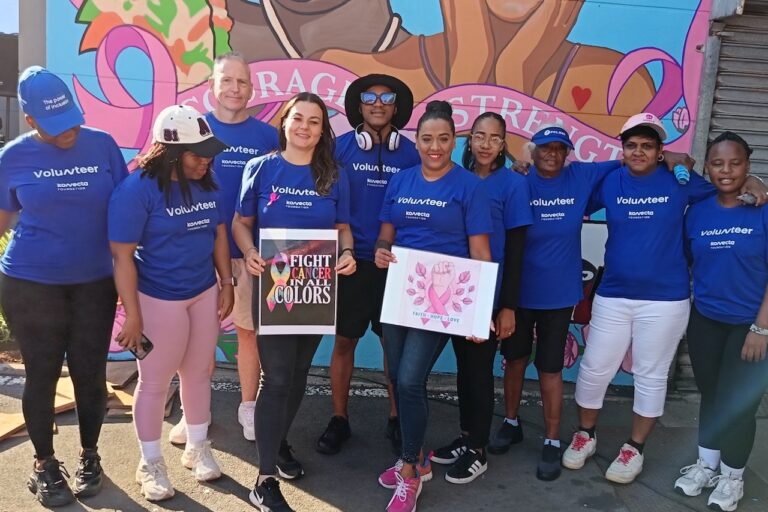
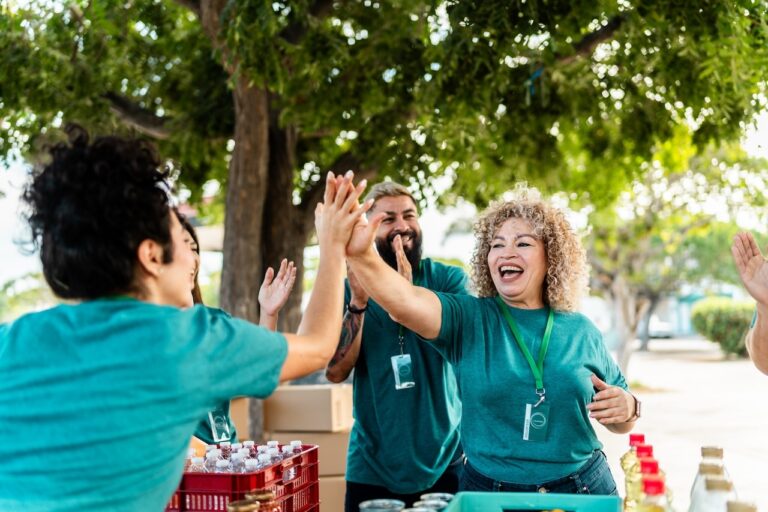
Support from the Community Impact Call helps make training available to more young people with physical disabilities. Konecta employee volunteers contribute by sharing firsthand workplace experience and offering practical career advice. Disability awareness sessions give employees a chance to consider the other side of the transition: what their own teams can do to make recruitment and everyday work more accessible.
That is also why the project emphasizes involving people with disabilities in designing the support they receive. Their experience helps employers and training providers understand which barriers are worth addressing and whether the support offered is useful in practice.
The graduate came away from DuoDay feeling better prepared and more confident about looking for work. That experience is not the same as a job offer. What it gave her was a firmer basis for deciding what to pursue next: she had seen how a team worked and had a chance to contribute herself. For employers, the practical question is whether their recruitment process gives candidates that same chance to show what they can do.
Frequently asked questions
What is the SKILL project in Morocco?
SKILL is a project led by the Amicale Marocaine des Handicapés that combines digital skills training, individual career guidance, and employer engagement for young people with physical disabilities.
What is DuoDay?
DuoDay gives participants time inside a partner company to see how a workplace operates and apply their skills in a professional setting.
How does Konecta Foundation support the SKILL project?
Konecta Foundation selected SKILL through the Community Impact Call. Its support helps extend digital skills training to more young people. The partnership also includes employee volunteering, with Konecta colleagues sharing practical career advice and workplace experience.